 Written by
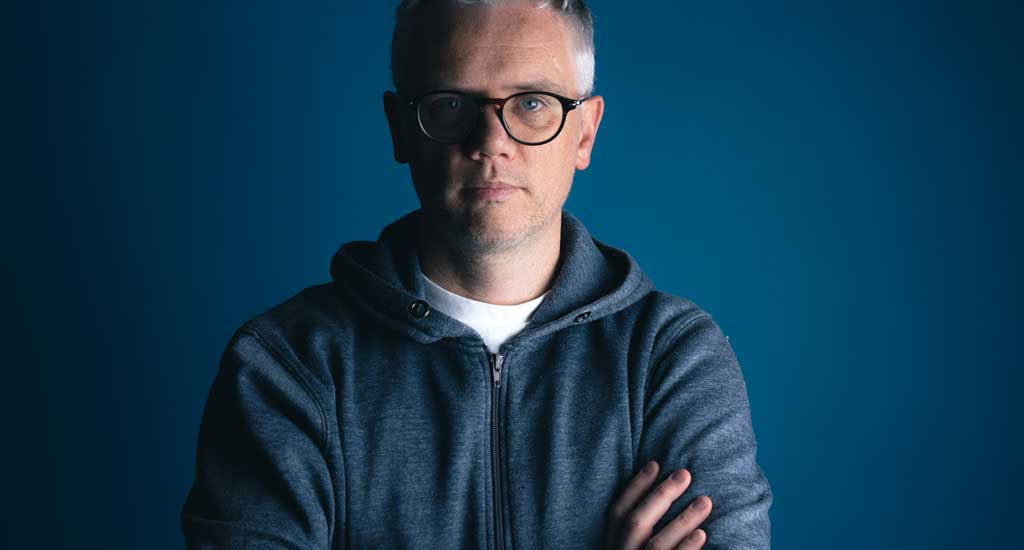
 Andrew Read: So Dave, let’s move on and talk about your new album. Thanks for sending it through—I really enjoyed listening to it. It’s very cool and quite new. I’m curious how the album actually came about. If I’m correct, it began as a live recording and then made its way into the studio?
Dave Stapleton: Yeah, that’s right. I’ve been doing Slowly Rolling Camera now for over ten years and have released albums under my own name since 2012. My focus has often shifted between the band, the label, and my own career, sometimes naturally neglecting the latter.
Starting in early 2024, I felt an urge to experiment creatively and also to explore the process from a label’s perspective. The album began at a Joe Webb session in Gilles Peterson’s studio, where I was inspired by the space and wanted to try something more beat-driven and electronically produced—something different from a traditional jazz record.
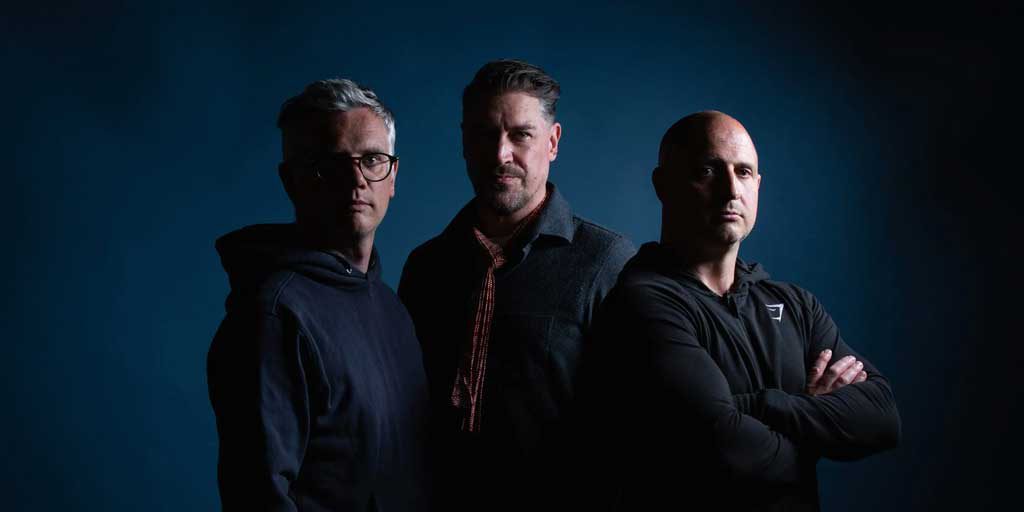
Slowly Rolling Camera
All the music was recorded in-house, in this room, using lots of keyboards. It was about trusting instinct and having fun with the project without strict jazz conventions. I brought some ideas to sessions with Elliott Bennett and Jon Goode on bass, capturing roughly four hours of recording which I then chopped up and produced into the album.
It was a very different process from usual jazz recording sessions where everyone plays live together in one room. I also had the privilege to invite guests like Nils Petter Molvær, Olga Amelchenko, and Stuart McCallum to contribute. Running a label can be intense and stressful, so this project was quite cathartic—a chance to create freely without pressure. Now I’m experiencing what it’s like to be a self-releasing artist—on my own label!
It comes with its own set of challenges but it gives me more empathy for the artists I work with, understanding their perspectives beyond just running a label.
Andrew Read: Yeah, totally. Just coming back to artistic concept, I’d agree with the cinematic descriptor but it has a jazz essence—a whiff of jazz.
Dave Stapleton: Exactly. I was inspired by albums like Yussef Dayes’s work with Tom Misch, aiming for that vibe without focusing on solos. It was enjoyable, and I realized I need to prioritize my creativity for sanity and balance—especially given my training as a musician.
Andrew Read: That makes total sense. The label was initially created as a vehicle to release your own music, so stepping away from that would be denying its roots.
Dave Stapleton: Absolutely. Our first release was a piano duo with Matthew Bourne, created to release my music independently. As the label grew, it ironically made it harder to put out my own work.
That’s changed now, and I want to embrace this opportunity—it would be a waste not to. It’s a personal priority.
Andrew Read: Dave, let’s turn back to Edition Records itself. The label has now been around 17 years, and I remember when we spoke around the 10th anniversary—it feels like a lot has happened since then. What would you say have been the key milestone releases or moments in the label’s journey?
Dave Stapleton: There have been so many milestones. Starting at the beginning, the live album Phronesis in 2010 really kicked off our first phase of growth. Chris Potter’s Circuits album in 2019 marked a breakthrough for us in the American market, and we’re continuing to work with him—there’s a new album of his scheduled for next year.
Dave Holland is another pillar—he’s a legend and a great human being. It’s a huge privilege to work with him. We’ve also got a long, strong relationship with Jasper Høiby. That foundation is built on deep trust, and we constantly work together to find the best path forward.
Nowadays, it’s more about those strong artist relationships than superficial awards, although those are nice to have. What really energizes me is the people and the continuous creative journey we share.
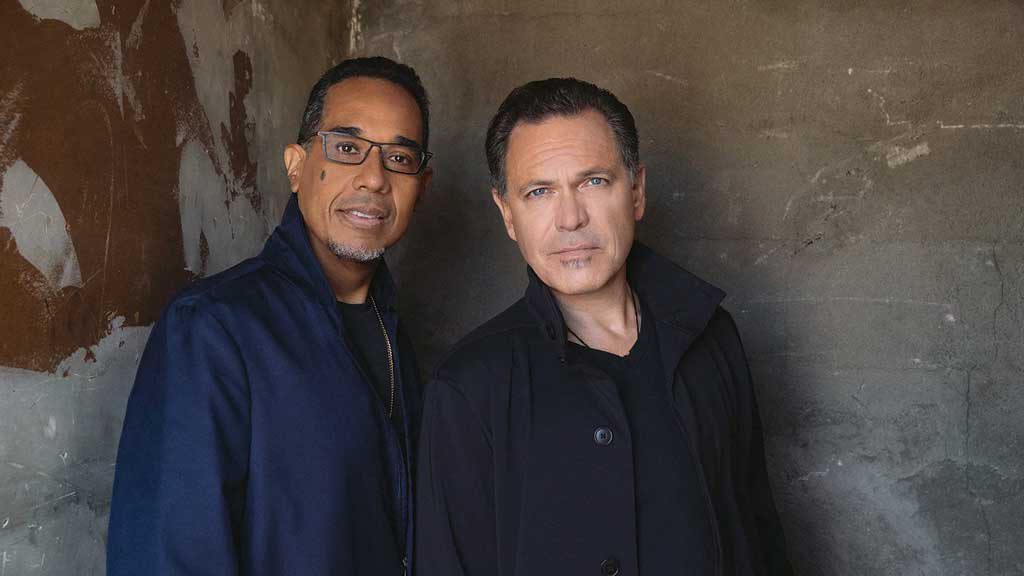
Andrew Read: One of Edition’s milestones that really raised attention was the album with Kurt Elling and Danilo Pérez, which I believe won your first Grammy. How did that impact the label? Did it open new doors or make things easier?
Dave Stapleton: It definitely opened a few doors. Awards are great and they help in unexpected ways—like giving you a foothold to get a new meeting. But without a solid business strategy underlying it all, awards alone won’t grow a label.
What really matters is having a clear vision, purpose, and aligning your revenue streams, marketing, and brand with that vision. There have been many moments more impactful than winning a Grammy.
That said, I don’t want to downplay awards—they’re nice to have—but they aren’t everything. Plenty of success is achieved without them.
Andrew Read: Yes, I’d like to move on to Fergus McCreadie. I recently reviewed his latest album and have been following his career from early on. It’s a fantastic record. Could you tell us how Fergus and Edition first came to build their relationship and how it has evolved over time?
Dave Stapleton: Sure. It all started when Fergus sent me a handwritten letter—that was back around 2018, I think. Prior to that, he’d just done his first album, self-released, and I remember feeling excited about the music. The letter came after he’d been a finalist in the BBC Young Musician of the Year, which was a big deal for him.
At that time, I hadn’t seen much in terms of sales or established attraction, just the music—there was something fresh and original about it. So, we decided to give it a go. No sales evidence, no big push—just the fact that the music sounded great and Fergus seemed like a nice guy. I went down to Turner Sims in Southampton to watch him play, and that experience really confirmed things for me. His natural communication, as a pianist and bandleader, was clear, and I could see his potential instantly.
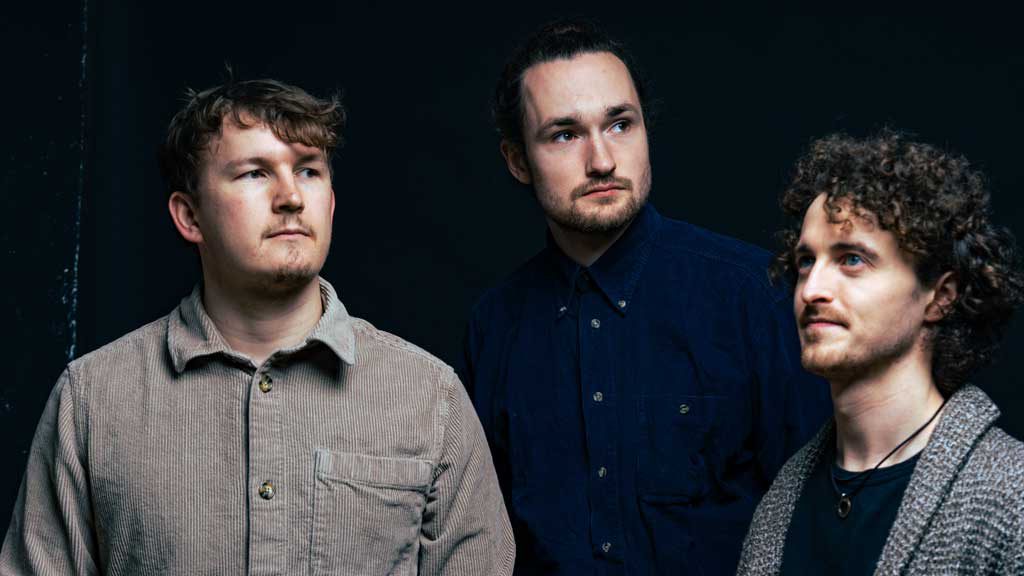
Fergus McCreadie Trio
Since then, we’ve done four albums with Fergus. Over that period, I’ve watched his growth, and I genuinely believe there’s no single secret ingredient—just Fergus’s ability to communicate through his music, write beautiful compositions, and seize opportunities. We’ve worked hard on structuring campaigns around artwork and presentation, which helps the music connect with its audience—when you do that well, demand follows naturally.
Andrew Read: Yeah, I’d like to touch on another release you’ve got coming up—Donny McCaslin’s new album. I’m not sure if it’s already out or just recently released?
Dave Stapleton: It just came out at the end of September, yes. It’s a great album. Donny is really doing something fresh and new.
I think his manager reached out to me initially. Once we started working with some American artists, I guess we came onto his radar, especially since many American musicians tour Europe frequently. That made connecting easier. So I received early works for the album I Want More, around 2023.
Donny is a hugely progressive and forward-thinking artist. He has a unique ability to do something different with his music—there’s so much power and energy in it, which I really love. Plus, he’s a lovely person.
Andrew Read: So, moving on, I’d like to hear your thoughts on the future of industry. One of the things I see in the business is a bit of a disconnect across the entire value chain—the media, streaming platforms, venues, labels, and so on. It might be a strange question, but how would you see the industry if you could rebuild it any way you wanted?
Dave Stapleton: Interesting question. I think there’s a real need for an organization that truly represents artists. That doesn’t really exist right now. If you had such an organization to represent their needs, to help them understand and check deals, contracts, and terms—it would be hugely beneficial.
Musicians spend years honing their voice and craft, but they can’t be expected to understand all the legal jargon and deal complexities. They need support and training to become effective networkers and to manage their careers. Mental health is also key—the psychological aspect of strengthening mindset, because the mind can be both your greatest weapon and your biggest enemy.
I’ve worked a lot on controlling the mind, turning problems into positives, which has really helped me grow Edition Records.
That support should be primary, at the top of the hierarchy, and the whole industry must support that. Right now, there’s a big problem in the live music and venue sector—artists send hundreds of emails and get very few replies, leaving them uncertain of what to do.
On the other hand, promoters get hundreds of emails daily, so it’s hard for anyone to manage it. This problem has to be solved; otherwise, it’s going to drive everyone crazy.
Andrew Read: You’ve really hit the nail on the head there. There definitely needs to be an organization for creatives—something essential. And it’s got to have an educational role too, because many artists don’t really understand how all the parts of the business fit together. At the same time, the institutions we have now, while well-meaning, can sometimes start feeling like their own closed system.
Dave Stapleton: Exactly. Take events like Jazzahead!. They’re massively important—bringing together the whole industry from across the globe. It’s a hub for networking, business, and showcasing artists on a big stage. But from an artist’s perspective, sometimes it feels like the industry side takes priority.
Artists often pay their own way to showcase, hoping for opportunities down the line, but not everyone finds those chances. It’s tough—no one’s trying to be disrespectful; it’s just how the system’s evolved. I’ve seen loads of artists at these showcases, and while Jazzahead! does great work, honestly it can feel like it’s more about the industry machine than about supporting artists in a direct way. There’s definitely room for improvement.
That said, this isn’t easy to fix—there are entrenched interests on all sides, generations of people managing different pieces of the puzzle. But if you could wipe the slate clean, you’d always start with the artists first. That’s where the heart of it all is.
Andrew Read: I agree 100 percent. This business isn’t top-down; it has to be bottom-up. It’s the only way it will work. Well Dave, So thanks for taking the time to speak, it was a pleasure. You know, maybe we should just finish by agreeing that it’s a great idea—maybe we should do it.
Dave Stapleton: Yeah, good idea.
Last modified: May 5, 2026