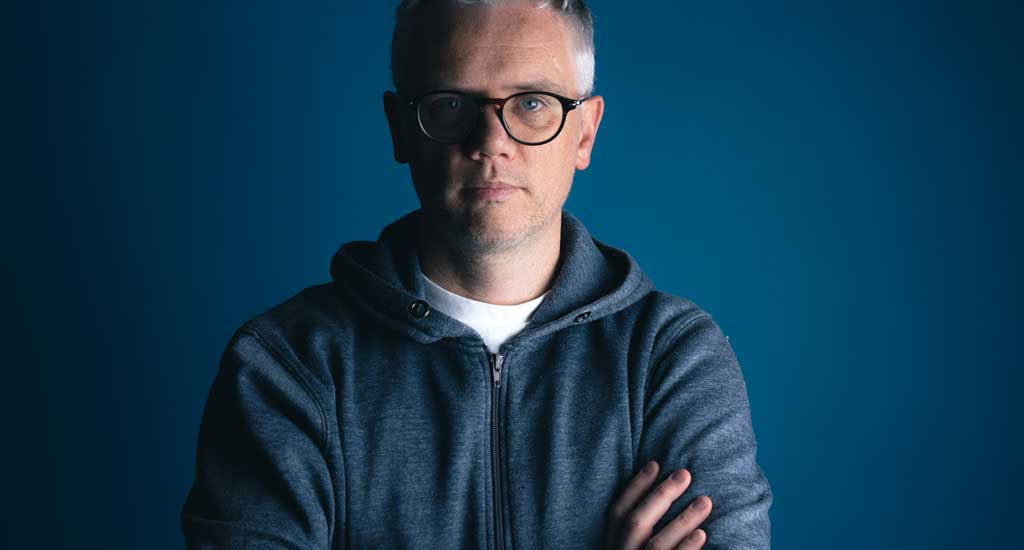
 Written by
 An in-depth interview exploring the growth of a leading independent jazz label and its founding artist’s vision.
Edition Records has grown into one of the major independent forces on the contemporary jazz scene, known for its bold artistic vision and international reach. Founded in 2008 by pianist and composer Dave Stapleton, who remains both the label’s CEO and an active artist, Edition has cultivated a catalogue that bridges generations and geographies, releasing music by Grammy winners, Mercury Prize nominees, and leading voices across Europe, North America, and beyond.
In this interview, I wanted to reconnect with Dave to discuss the label’s journey since we last spoke, a period marked by significant artistic and business milestones. Our conversation delved deeply into Edition’s evolving vision and place within a rapidly changing industry, as well as exploring Dave’s own creative work, including insights into his upcoming album. This wide-ranging discussion offers a compelling window into the challenges and ambitions that define today’s independent jazz music landscape.
Andrew Read: When you talk about the “creative ecosystem” of Edition, what does that actually mean to you?
Dave Stapleton: Yeah, I guess it’s this cycle effect of what it means to be an artist, you know, and what we’re trying to do for the artist. The ecosystem, for me, that’s both the short-term and long-term of an artist’s journey. Yes, we’re feeding it—trying to sell records and CDs—but at the same time, we’re trying to develop artists and be part of this flourishing ecosystem, something artists can hopefully, hopefully enrich their future careers with, you know.
And so, it’s just as much about learning how the industry works these days and figuring out what’s going on. There have been huge, seismic changes over the last few years, and everyone’s had to adapt and react to that. So, when I talk about a creative ecosystem, the creative bit refers to that kind of lateral thinking—what can we do differently, what makes it more interesting? We’re not just conforming, we’re not simply following what used to work. In fact, sometimes we do the opposite, at least to some degree.
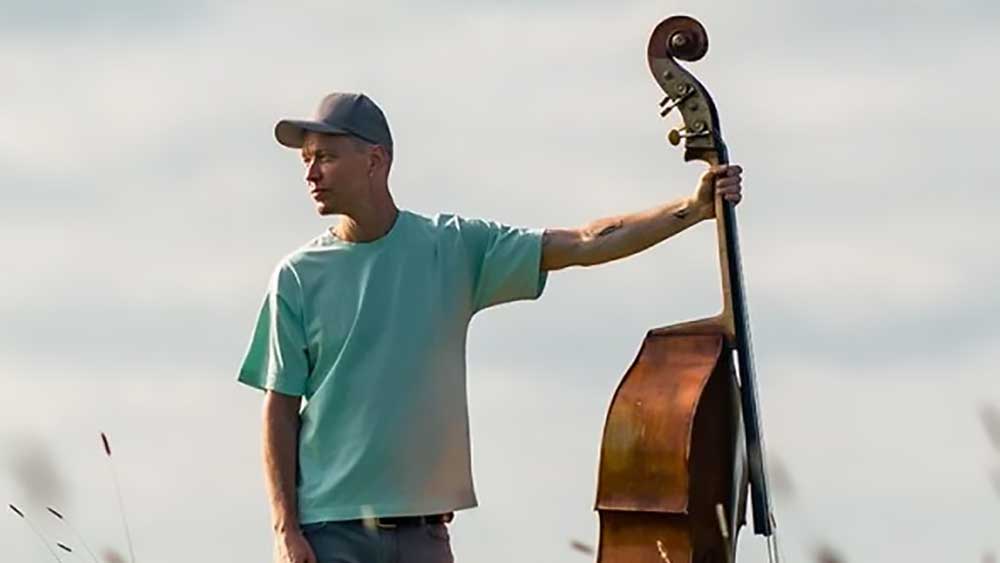
Andrew Read: Was that long-term approach something strategic from the start, or did it develop as you grew the label?
Dave Stapleton: I wouldn’t say it was strategic. I think I’m naturally a forward thinker, and I like change—I thrive from that. So, instinctively I wasn’t looking to do that from the get-go. It was never a conscious “I need to do this, do that” kind of thing; it just kind of happened. But now, yeah, now I’ve become a little bit more strategic about it. I’m starting to force that in some ways—really thinking through, who are the audiences, where are they, and how do we reach them? Those are the basic questions, but they’re very powerful ones when you take the time to think them through deeply.
And when you come from that position, you find all these different avenues you can go down. Again, you’re thinking about what you need to do, how you’re going to communicate, and with every question you answer, even more questions come up. It’s a constant trial-and-error process. We’re all learning again, going back to first principles—actually asking ourselves, how do we do this, and what is it we’re all actually doing?
Andrew Read: Most Edition artists have several releases and stick around for years. Does that mean you’re looking for long-term vision with new signings?
Dave Stapleton: There are some albums we’ll work on just because I really believe in that specific project, but maybe the next one just isn’t right, so we don’t do that. But yeah, now, I’m trying to sign artists I know I want to work with long term. That does create its own problem, because when your schedule’s full and an artist you’d love to work with comes along, you just don’t have space.
That’s one of our biggest issues—capacity. And it’s not about how many people work here, it’s about how much the audiences can actually absorb and keep up with. I honestly feel like we’re already doing a bit too much for audiences to really take it all in, so I can’t see us increasing that any further. If anything, I’m trying to slim it down, but that means you’ve got to say no a lot more than you say yes. And that’s always difficult. These are the issues we have to deal with, you know? But you just sort of work through them, bit by bit, and somehow, we keep going.
Andrew Read: So let’s talk about A&R for a moment. We have quite a few musicians who read the magazine, and I know many are curious—when you’re considering signing an artist, what is it that you’re actually looking for? What stands out for you in that process?
Dave Stapleton: The music is always the first thing, and I know that sounds a bit of a cliché, but it really is where it all starts. You have to be genuinely passionate about what they’re doing musically. But it’s not just about the music—it’s about the person as well, their character, what they’re trying to say, and how they want to go about saying it. I get a lot of energy from that kind of connection, and if I feel I can actually add some value and help them move forward, that inspires me to get involved.
Sometimes, of course, an artist will come along with a record that sounds great, but if I don’t feel that connection, if something about it just doesn’t quite click, I usually won’t go any further. I don’t like forcing it, because down the line it ends up being hard work for everyone, and there really are plenty of other artists out there who might be a better fit.
So for me, it always comes down to the music, the connection with the person, and understanding their vision—what they want to do, what we can add, and whether I think we can actually be useful in helping them take the next step. That’s what I’m looking for every time.
Andrew Read: As the label has grown, you’ve added some well-known artists like John Patitucci and Nils Petter Molvær to the roster. Is it a focus of Edition to work with established names, or do you aim for a balance between those artists and emerging talent?
Dave Stapleton: We started working with a few artists like John Patitucci and Nils Petter Molvær, who are both in their early-to-mid 60s and have enjoyed substantial success over their careers. For artists like them, promotion is a very different exercise compared to working with someone like Joe Webb or Sultan Stevenson, who are at the beginning of their careers and need more support in different ways.
People already know who John Patitucci is, so we don’t need to explain or introduce him—we just optimize and refine marketing and communication. It’s an easier job, and sales tend to be higher, which in turn creates more value.
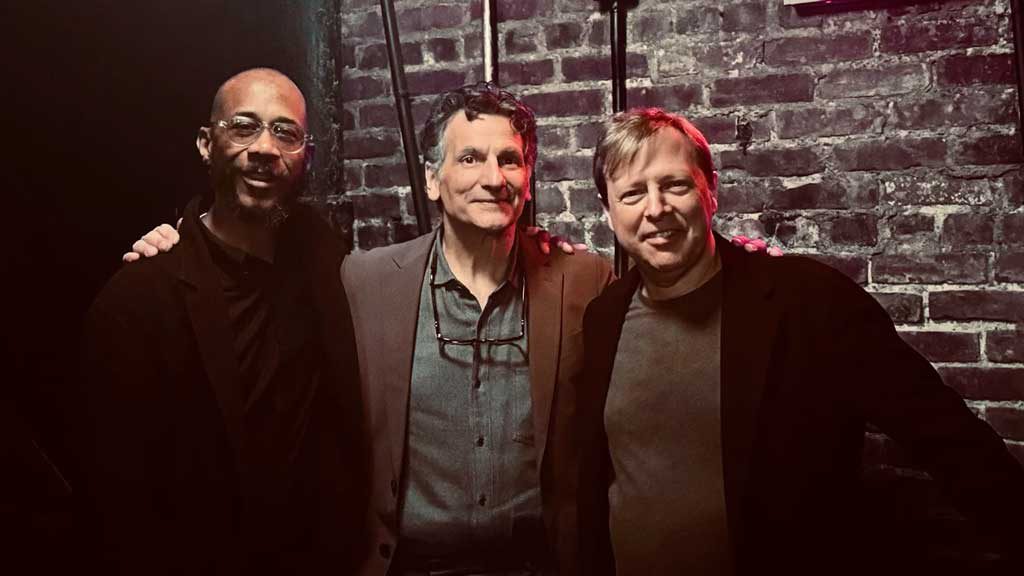
At the same time, I have a great passion for helping younger artists. I believe you can leverage the success of more established artists to bring attention and opportunities to emerging talent. That dynamic is part of the ecosystem we’re building—a balance of nurturing new voices while working with the trusted and recognized names.
READ MORE …
Last modified: May 5, 2026