 Written by
 London’s newest listening room is putting jazz at the centre of its debut programme. Polygon Portal, a dedicated 360° spatial audio space in Soho, will host Donny McCaslin and Richard Spaven on Monday 25 May for an immersive playback of McCaslin’s Lullaby for the Lost and Spaven’s Light of Day, followed by a live Q&A with both artists. The event brings one of contemporary jazz’s most forward-looking saxophonists into a setting designed to make listening itself the main event.
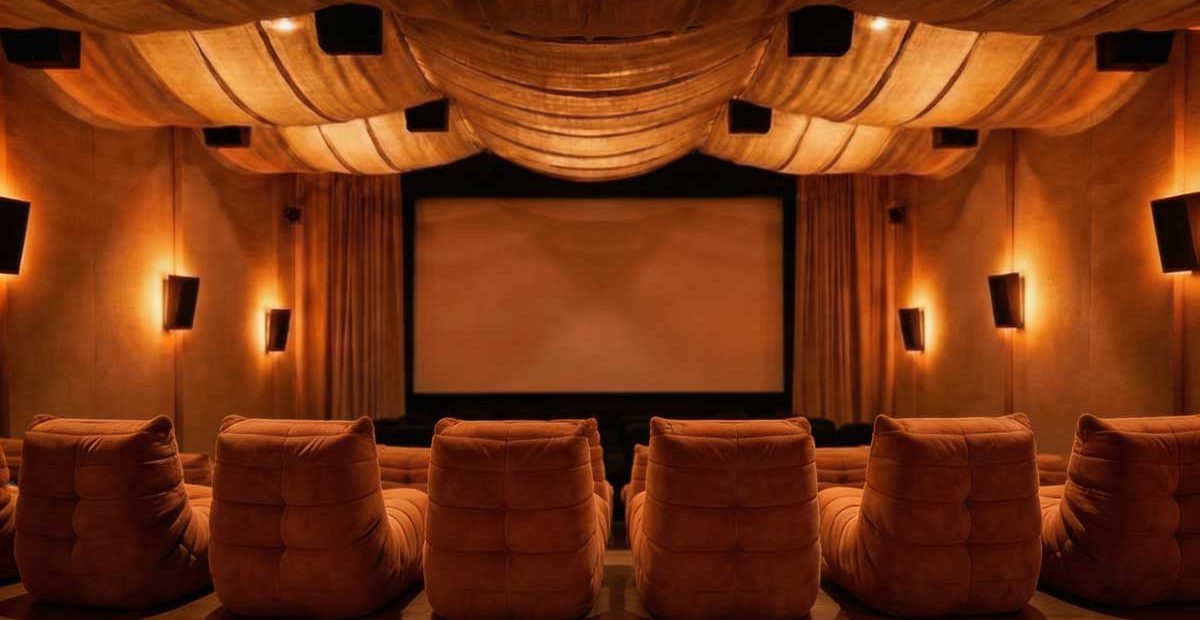
Polygon Portal is being presented as London’s first dedicated 360° spatial audio listening room, located beneath Dean Street in the heart of Soho. Built around the idea of “deep listening,” the space offers audiences an intimate, communal experience in which albums are heard in darkness through an advanced multi-speaker system rather than in the traditional concert format. The venue is intended for album playbacks, artist-led sessions, live performances and wellbeing events, but its launch programming already makes clear that music is at the centre of the project.
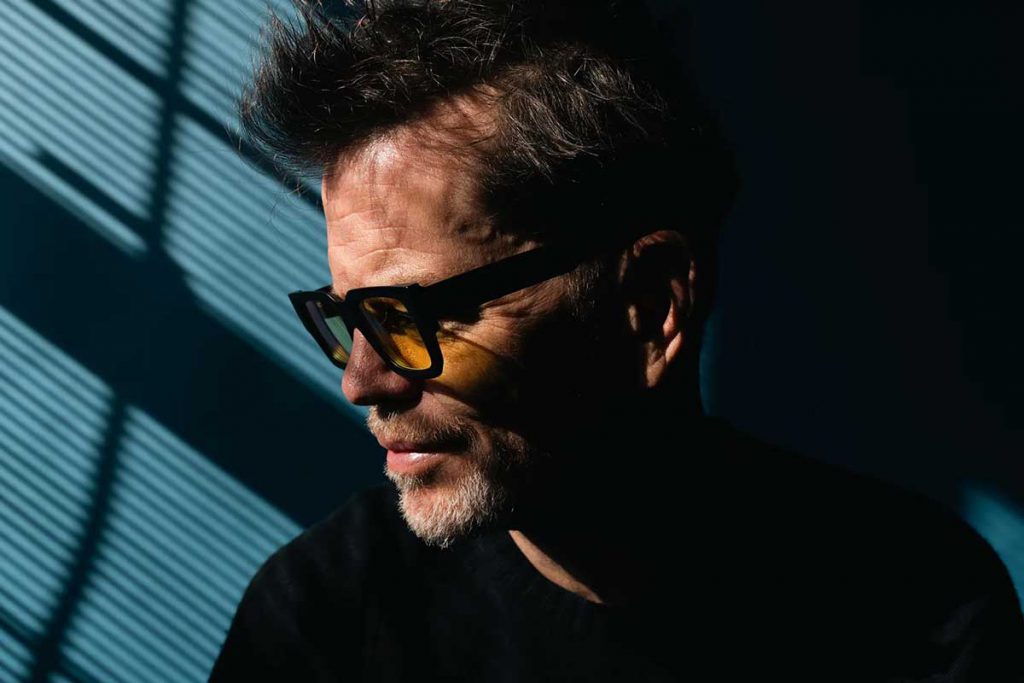
Donny McCaslin | Photo courtesy Edition Records
For jazz audiences, the McCaslin and Spaven session is one of the most compelling bookings in the opening season. Donny McCaslin is no stranger to jazz listeners and is widely known for his role on David Bowie’s Blackstar, a landmark recording that brought his tone, intensity and modern conception of improvisation to a far wider audience. In recent years, he has continued to develop a sound that moves fluidly between jazz, electronic music, post-rock textures and cinematic mood. Lullaby for the Lost fits squarely into that artistic trajectory, offering music that is dense, emotionally charged and carefully layered. (Editors Note: For a more in-depth view of the album you can read Steven James’ review here.)
That makes the album a natural candidate for immersive playback. McCaslin’s recent work is not built around simple melody-and-solo formulas. Instead, it often unfolds as a series of shifting atmospheres, rhythmic tensions and collective movements, with production detail playing a major role in the listening experience. In a spatial audio environment such as Polygon Portal, those qualities can be amplified rather than flattened. The listener is not just hearing the album, but stepping inside its architecture.

Richard Spaven
Richard Spaven is an equally fitting partner for the evening. Long associated with the intersection of jazz, broken beat, electronica and UK club culture, he brings a distinctive rhythmic intelligence to the project. His Light of Day complements McCaslin’s album not only as a separate work, but as part of a broader aesthetic conversation: one in which contemporary jazz is increasingly porous, collaborative and open to electronic treatment. Together, the two albums reflect a scene that is comfortable moving beyond genre boundaries without losing its musical identity.
Polygon Portal itself is a significant part of the story. The venue has been built around a 17.1.10 L-Acoustics system supported by L-ISA technology, creating a three-dimensional audio field in which sound can move around and above the audience. Rather than the conventional front-facing stage model, the room places listeners at the centre of the mix. That approach is particularly well suited to recordings with strong spatial detail, and it also speaks to a broader cultural shift in the way music is being presented and consumed.
The concept of “deep listening” is central to Polygon Portal’s identity. In an era dominated by background streaming, algorithmic playlists and constant distraction, the venue is making a case for attention, concentration and shared experience. There is a strong historical resonance there for jazz, a music form that has always valued listening as an active, communal act. The jazz club, in its best form, is a place where sound, atmosphere and audience focus become part of the performance. Polygon Portal translates that idea into a new technological language.
The programme surrounding the venue’s launch also shows that its ambitions go beyond one-off novelty. Alongside McCaslin and Spaven, Polygon Portal’s early line-up includes immersive playbacks of Jeff Buckley’s Grace and Pink Floyd’s Wish You Were Here, plus thematic sessions exploring ritual, sound history and wellbeing. The inclusion of jazz within this wider frame is telling. It places the music not in a niche category, but within a broader cultural conversation about immersion, memory, attention and sonic experience.
That broader framing may be especially useful for artists and labels working in jazz today. At a time when AI-generated music is flooding streaming services, immersive listening rooms offer something more valuable: an intentional, human encounter with recorded music as a complete artistic statement. For a record like Lullaby for the Lost, which has been described in reviews as intense, atmospheric and cathartic, the format is not a gimmick. It is an extension of the music’s own language.
There is also a clear promotional logic here. A live Q&A with McCaslin and Spaven adds an editorial layer to the evening, giving audiences and media a chance to hear directly from the artists about process, collaboration and the role of sound in shaping the album experience. For jazz coverage, that conversation matters. It gives context to the music and helps frame the event as part of a larger movement in how contemporary jazz is being heard, discussed and packaged.
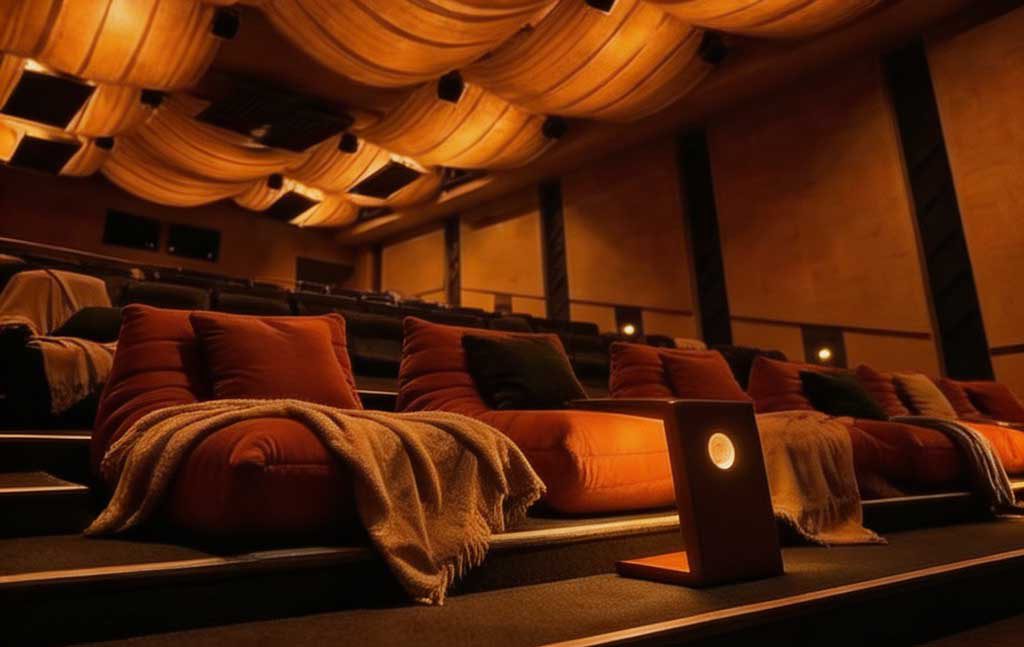
Polygon Portal
Polygon Portal is also linking its work to music therapy charity Nordoff and Robbins, reinforcing the idea that listening can be both artistic and restorative. That pairing is not incidental. It reflects the venue’s effort to connect immersive sound with emotional and social wellbeing, a theme that has particular relevance in jazz, where expressive depth and human connection remain central values.
In that sense, the McCaslin and Spaven event is more than a launch-night attraction. It is a statement of intent from a venue that wants to make listening itself a cultural experience. For Donny McCaslin, whose work has long sat at the crossroads of jazz innovation and broader experimental music, it is a fitting environment. For London’s jazz scene, it is another sign that the music continues to find new spaces, new audiences and new ways of being heard.
Tickets for the event are still available can can be booked here on the Polygon Portal Website.
Last modified: May 22, 2026