 Written by
 In the Winter 2026 edition of the Jazz In Europe Magazine, with Rudy Van Gelder prominently featured, I wanted to spotlight four of my favorite albums where his engineering brilliance played a defining role.
Van Gelder’s work at his iconic Englewood Cliffs studio not only captured the raw creativity of some of jazz’s greatest artists but also shaped the very sound that makes these recordings timeless. Each album reveals how his meticulous approach to acoustics, microphone placement, and mixing elevated performances into lasting musical landmarks. Here, I share why these sessions stand out to me, reflecting both their artistic value and Van Gelder’s unmatched influence on jazz recording history.
Duke Ellington & John Coltrane: Impulse Records A-30
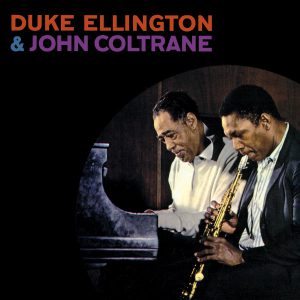 The album “Duke Ellington & John Coltrane” is a landmark in jazz history and a testament to Rudy Van Gelder’s engineering mastery. Recorded in one session on September 26, 1962, at Van Gelder’s iconic Englewood Cliffs studio, it captures the seamless interplay of two giants. Van Gelder’s use of the studio’s unique chapel-like acoustics and his meticulous microphone placement preserved natural reverberation and clarity, achieving a crisp balance between Ellington’s piano and Coltrane’s tenor and soprano saxophones. His engineering kept bleed minimal, highlighting the fullness and distinction of each instrument, crucial to the album’s timeless sound.
Released on Impulse! Records in early 1963 (catalog A-30), the album features seven tracks of classic jazz repertoire, including “In a Sentimental Mood” and “Take the Coltrane”. The session’s alternating rhythm sections from each leader’s band contribute to its dynamic character. Van Gelder oversaw the acoustic integrity with session notes listing tape masters AS-30 I and II. His engineering emphasized tonal coherence between Ellington’s percussive piano and Coltrane’s harmonically rich saxophone, using subtle stereo field placement and dynamic compression to foster a live, conversational atmosphere.
Musically, the album bridges Ellington’s swing sensibility and Coltrane’s modern harmonic explorations. Critics often note this meeting “of equals,” underpinned by Van Gelder’s refined audio production which remains essential for appreciating early 1960s jazz innovation.
Personnel:
Duke Ellington, piano | John Coltrane, tenor saxophone (all tracks except track 3), soprano saxophone (track 3) | Jimmy Garrison, bass (tracks 2, 3, 6) | Aaron Bell, bass (tracks 1, 4, 5, 7) | Elvin Jones, drums (tracks 1–3, 6) | Sam Woodyard, drums (tracks 4, 5, 7)
Herbie Hancock: Maiden Voyage: Blue Note Records
 Recorded on March 17, 1965, also at Van Gelder’s Englewood Cliffs facility, “Maiden Voyage” stands as a defining work of 1960s jazz and modern ensemble recording. This, Hancock’s fifth album as a leader, features key collaborators from his Miles Davis Quintet circle: Ron Carter, Tony Williams, George Coleman, and Freddie Hubbard. Under Alfred Lion’s production and Van Gelder’s engineering, the session achieved the luminous balance and spacious clarity that typify the Blue Note sound.
Van Gelder’s engineering exploits the studio’s unique acoustics and custom microphones to create shimmering resonance, complementing Hancock’s controlled dynamics. An earlier session was abandoned and remade with drummer Tony Williams replacing Stu Martin, resulting in the master tapes heard today. The album’s oceanic concept is vividly evoked through modal harmonies and open textures in tracks like “Maiden Voyage,” “Dolphin Dance,” and “The Eye of the Hurricane.” Van Gelder’s work contributed critically to conveying Hancock’s sensibility shaped by his work with Davis.
Praised as a monumental achievement by critics and inducted into the Grammy Hall of Fame, the album remains a cornerstone of jazz repertoire and education. Its influence is evident in Hancock’s later reinterpretations and countless covers.
Personnel:
Herbie Hancock, piano | Freddie Hubbard, trumpet | George Coleman, tenor saxophone | Ron Carter, double bass | Tony Williams, drums
Gil Evans: The Individualism of Gil Evans: Verve Records
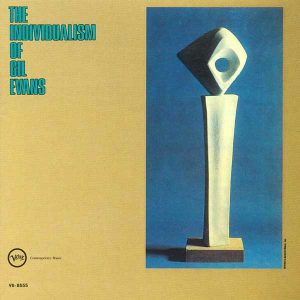 Released in September 1964, “The Individualism of Gil Evans” highlights Evans’ innovative orchestral arranging across sessions spanning September 1963 to October 1964. The album uniquely blends jazz with classical and modernist influences and was engineered by Rudy Van Gelder at both Englewood Cliffs and New York studios. The “Van Gelder” designation on first stereo pressings marks superior sound quality acknowledged by collectors.
Van Gelder’s engineering was essential in capturing the rich textures of Evans’ ensemble, known for its adventurous harmonies and inventive instrumentation. The album’s notable tracks include “The Barbara Song,” “Time of the Barracudas,” and “Las Vegas Tango.” Producer Creed Taylor’s granting of creative freedom to Evans enabled a piecemeal recording approach that Van Gelder had to seamlessly integrate through his engineering skills, ensuring consistent sonic integrity and atmosphere across sessions.
This album stands as a significant milestone in modern jazz orchestration, praised for its emotional depth, orchestral grandeur, and use of dissonance. Van Gelder’s engineering preserved these qualities, offering listeners an immersive sonic experience.
Personnel:
Gil Evans, piano, arranger | Featured soloists include: Wayne Shorter, tenor saxophone | Jimmy Cleveland, trombone | Johnny Coles, trumpet | Kenny Burrell, guitar | Steve Lacy, soprano saxophone | Eric Dolphy, woodwinds | Phil Woods, alto saxophone | Elvin Jones, drums
Wayne Shorter: Speak No Evil: Blue Note Records
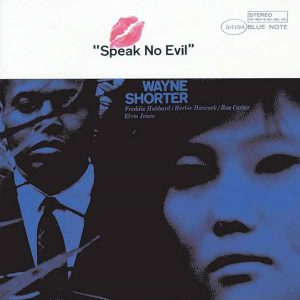 “Speak No Evil,” recorded on December 24, 1964, at Van Gelder’s Englewood Cliffs studio, is a landmark album blending compositional innovation with Van Gelder’s signature engineering. Featuring members of Miles Davis’ Second Quintet and Blue Note stalwarts, Shorter’s six original compositions fuse hard bop, modal, and post-bop styles with lyrical depth.
Van Gelder’s engineering privileges intimacy and clarity through meticulous microphone placement and judicious compression. The session’s numerous takes reflect both Shorter’s perfectionism and Van Gelder’s meticulous sound sculpting. Minor compression shifts suggest experimentation leading to greater dynamic range without compromising volume.
Acclaimed by “The Penguin Guide to Jazz” and AllMusic as a post-bop masterpiece, “Speak No Evil” showcases Shorter’s abstract yet melodic writing, elevated by Van Gelder’s transparent, atmospheric mix, where all instruments occupy distinct, interwoven spaces.
Personnel:
Wayne Shorter, tenor saxophone | Freddie Hubbard, trumpet | Herbie Hancock, piano | Ron Carter, double bass | Elvin Jones, drums
These four albums offer a great cross-section of Rudy Van Gelder’s extraordinary career, showcasing his unique blend of technical innovation and sonic artistry. His unmistakable imprint not only elevates these recordings but also defines the enduring legacy of jazz sound.
Last modified: July 20, 2026