 Written by
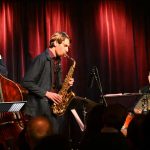
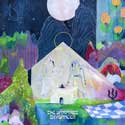
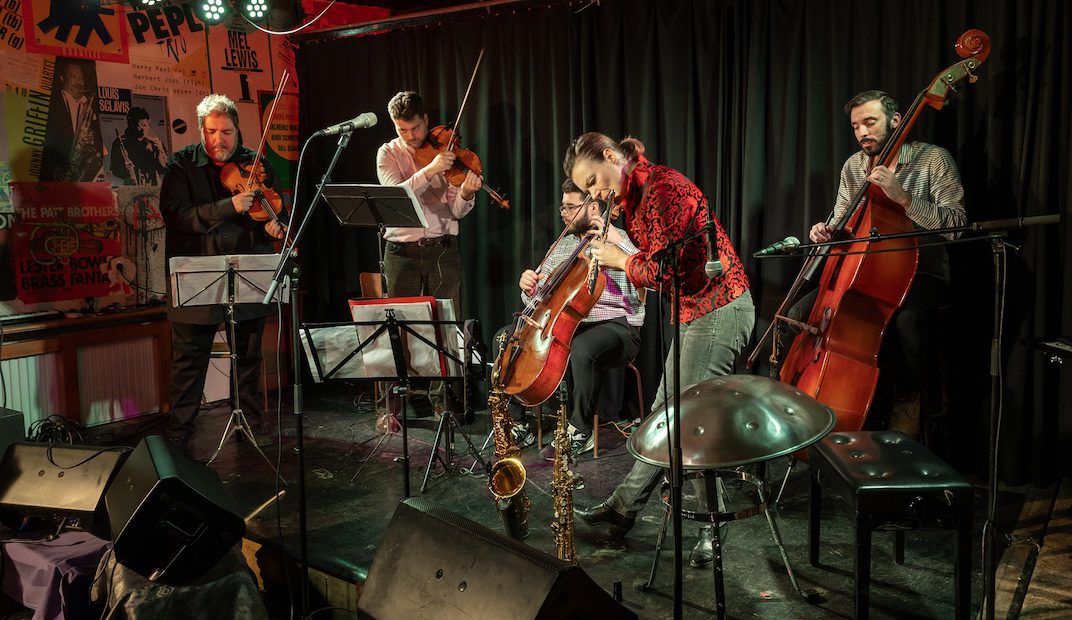
 Simply Joy is the new album by saxophonist and composer Jasna Jovićević, released on 2 January on 33 Jazz Records. It features an ensemble conceived by Jasna herself: saxophones, bass clarinet, flute and voice, alongside Filip Krumes (violin), Rastko Popovic (viola), Pavle Popovic (cello) and David Sic (double bass), with Pasquale Mirra appearing as a guest on vibraphone. With this ensemble, Jasna has previously recorded two other albums: Flow Vertical (FMR) and Sounding Solitude (Mascom / The state51 Conspiracy Records).

I found the choice of instrumentation particularly interesting: this is not a “traditional” jazz ensemble (there is no piano, for example, but vibraphone instead). Each tune feels like a journey through different textures and timbres of the instruments involved.
The opening track, Let’s Go to the Mountains (lyrics by Jasna Jovićević), has a very interesting harmonic language. The relationship between the rhythm played by the double bass and the vocal melody is especially engaging. Jasna plays with the different possibilities and textures of each instrument, and I found the contrast between the rhythmic vibraphone and the sweet, almost classical sound of the saxophone particularly effective. The atmosphere recalls musical theatre and makes you want to experience the piece live and overall, the piece reminded me of the way Björk (one of my favourite artists) writes. I loved the rich, classical sound of the alto saxophone and felt the piece had a distinctive Northern European character.
Leptir (lyrics by Miloš Zubac) has a Spanish atmosphere, largely shaped by the double bass line. This piece also reminded me of Björk. I loved the harmonies, which brought to mind some of her ballads. Particularly interesting is the dialogue between voice and strings, and the texture created by the pizzicato strings beneath a beautiful and gentle soprano saxophone solo.
Simple Joy features a beautiful dialogue between bass clarinet and vibraphone, as well as a striking cello solo. Here again, Jasna uses the different timbres of the instruments to create layered textures, and I especially appreciated the interaction between double bass and bass clarinet. The piece carries strong echoes of Eastern European and Balkan music. It is melancholic and deep, touching very human emotions.
Sigurnost Vatre (lyrics by Miloš Zubac) is a sad song, supported by sensitive string writing that later shifts into a more vivid atmosphere. The relationship between flute and strings is particularly interesting, with a contemporary twist reminiscent of Shostakovich and Messiaen.
Ljuljaška contains a very interesting exploration of timbre, rhythm and melody. The atmosphere of the piece feels almost suspended. Different scenes are created through rhythmic and melodic changes, and the piece strongly recalls contemporary classical and experimental music.
Wings of Porcelain, the final track of the album, also contains experimental elements similar to the previous piece. The atmosphere here is gentler and sweeter, with very interesting harmonic choices.
What emerges clearly from this album is the depth of research behind each composition. Jasna is extremely skilled at using the individual characteristics of each instrument to create evolving layers of sound throughout the album. The stylistic journey from the opening tracks to the final pieces feels like a process of evolution and deeper exploration. Jasna has created remarkable work in stretching the boundaries of jazz through experimental approaches and the use of classical instruments. I loved this album and its concept, and I sincerely hope it will receive the recognition it deserves.
Photo by Peter Purgar
Last modified: February 26, 2026