 Written by
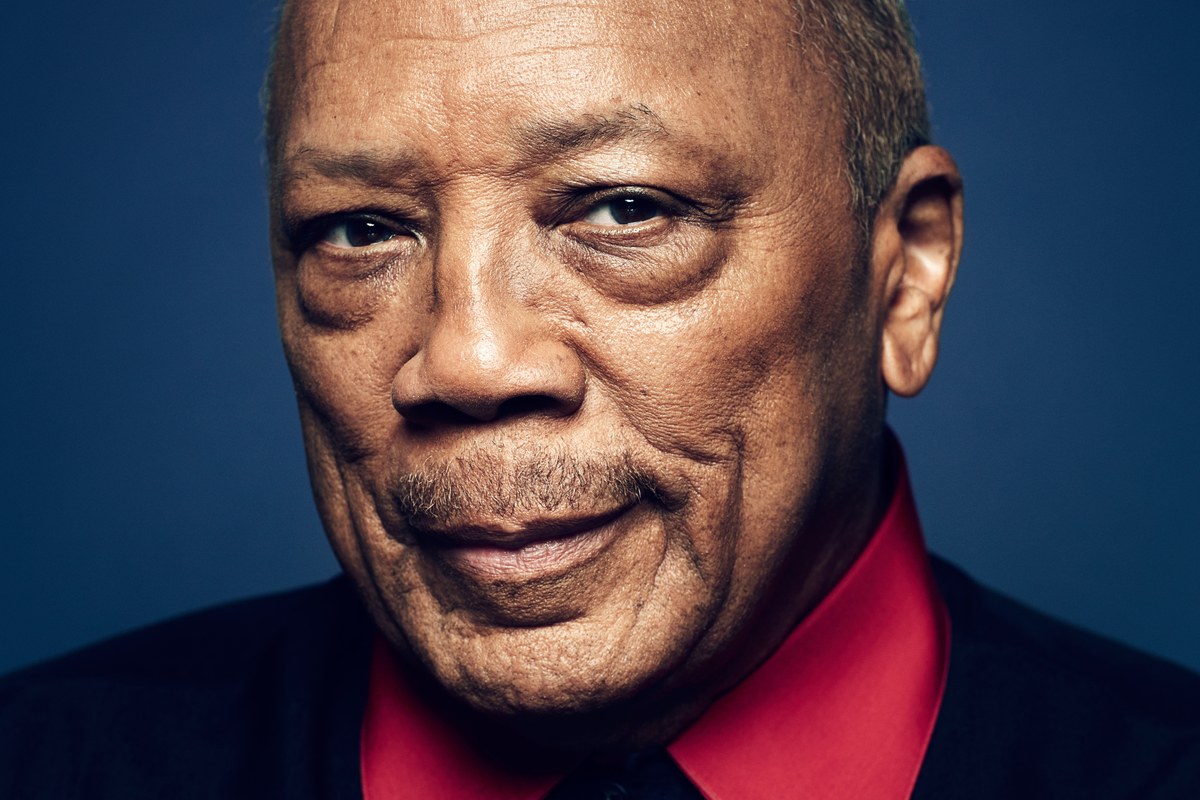
 Quincy Jones, a towering figure in the music industry whose influence spanned decades and genres, passed away on November 3, 2024, at the age of 91. His death marks the end of an era in American music, leaving behind a legacy that touched nearly every facet of the entertainment world.
Born on March 14, 1933, in Chicago, Illinois, Jones’s musical journey began in his youth. At age 10, he moved to Bremerton, Washington, where he started playing trumpet and formed a band with a young Ray Charles. This early experience set the stage for his future in jazz.
 Jones’s formal entry into the jazz world came in the 1950s when he joined Lionel Hampton’s band as a trumpeter and arranger. His talent quickly became apparent, and he soon found himself arranging for jazz luminaries such as Count Basie, Sarah Vaughan, and Dinah Washington.
Throughout his career, Jones remained deeply connected to his jazz roots. In the late 1950s and early 1960s, he released several influential jazz albums, including “This Is How I Feel About Jazz” (1956) and “The Birth of a Band” (1959). These recordings showcased his innovative arranging skills and his ability to blend traditional jazz elements with more modern sounds.
Jones’s work in jazz extended beyond his own recordings. He was instrumental in bringing jazz to wider audiences through his production work and collaborations. One of his most significant jazz-related achievements came in 1991 when he convinced Miles Davis to revisit his classic 1950s orchestral collaborations with Gil Evans at the Montreux Jazz Festival. Jones conducted the orchestra for what would be Davis’s last concert, resulting in the album “Miles & Quincy Live at Montreux”.
One of Jones’s most significant contributions to jazz came in 1966 when he arranged and conducted the landmark live album “Sinatra at the Sands.” This collaboration with Frank Sinatra and Count Basie’s orchestra became one of the most celebrated live recordings in jazz history.
Recorded over seven nights in January and February 1966 at the Sands Hotel and Casino in Las Vegas, the album captured Sinatra at the height of his powers, backed by Basie’s swinging orchestra under Jones’s expert direction[2]. Jones’s arrangements breathed new life into Sinatra classics like “Come Fly With Me,” “I’ve Got You Under My Skin,” and “Fly Me to the Moon”.
The album showcased Jones’s ability to blend the sophistication of big band jazz with the intimacy of Sinatra’s vocal style. His arrangements provided the perfect backdrop for Sinatra’s voice, allowing the singer to deliver some of the most definitive versions of his signature songs.
“Sinatra at the Sands” was not only Sinatra’s first live album but also a critical and commercial success. It has since been certified gold and is considered one of the essential recordings in both Sinatra’s and Jones’s discographies.
In his later years, Jones focused on preserving and promoting jazz through digital media. In 2018, he launched QwestTV, often described as the “Netflix of Jazz.” This streaming platform was dedicated to jazz and jazz-inspired music videos, concerts, and documentaries.

QwestTV became a passion project for Jones, allowing him to share his vast knowledge and love for jazz with new generations. The platform featured an extensive library of jazz performances, interviews, and educational content, curated by Jones himself and a team of jazz experts.
Through QwestTV, Jones aimed to make jazz more accessible to global audiences, particularly younger viewers who might not have been exposed to the genre otherwise. The platform showcased both legendary performances from jazz greats and emerging talents, reflecting Jones’s lifelong commitment to nurturing new artists.
 Jones’s contributions to jazz and music at large earned him numerous accolades throughout his career. He won 28 Grammy Awards out of 80 nominations and received the Grammy Legend Award in 1992. In 2008, he was named an NEA Jazz Master, the highest honor for a jazz musician in the United States.
Quincy Jones’s impact on the jazz world cannot be overstated. From his early days as a trumpeter and arranger to his later role as a producer and digital innovator with QwestTV, Jones consistently pushed the boundaries of jazz while respecting its traditions.
His ability to bridge different musical worlds made him a unique figure in jazz. Jones brought jazz sensibilities to pop productions and introduced pop audiences to jazz, creating a cross-pollination that enriched both genres[.
As news of his passing spread, tributes poured in from across the music industry, with many noting his role as a mentor and inspiration to countless musicians. His legacy will continue to influence jazz and popular music for generations to come, particularly through initiatives like QwestTV, which aim to ensure that the rich history of jazz remains accessible and relevant in the digital age.
Quincy Jones’s life was a testament to the power of music to transcend boundaries and bring people together. His passing leaves a void in the music world, but his influence will undoubtedly continue to resonate through the artists he inspired and the institutions he created.
Last modified: November 4, 2024