 Written by
 The UK’s only festival dedicated exclusively to Polish jazz returns to London this September, and if the scale of this year’s programme is anything to go by, last year’s sold-out debut was not a fluke. Across more than two weeks and three of the capital’s finest halls, the Polish Jazz Festival is setting out to do something few UK promoters have attempted with any real seriousness: give this country’s audiences a proper look at one of Europe’s most quietly influential jazz traditions.

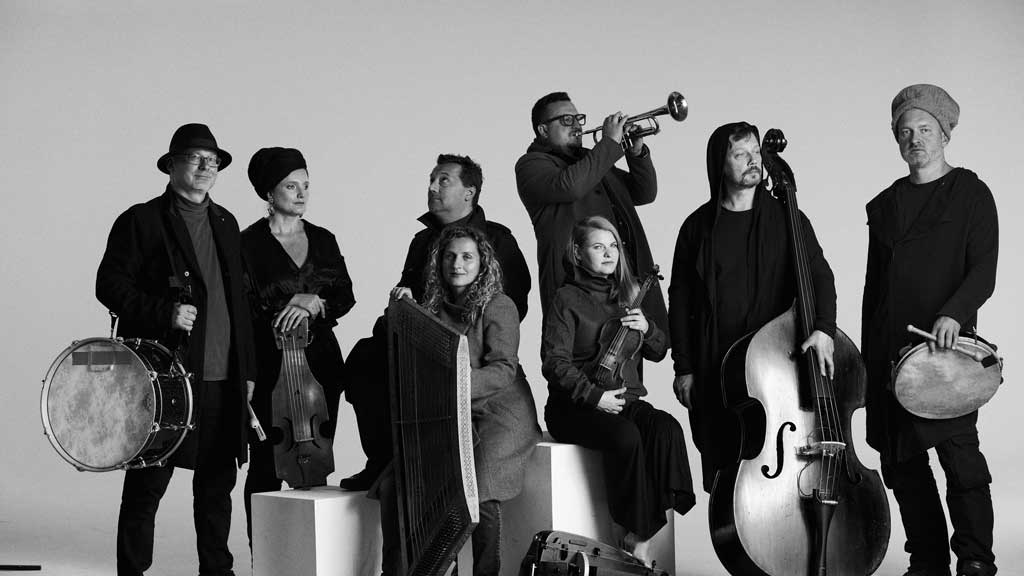
Kayah — Jazzayah project
I have spent a good part of my career arguing that British and American listeners underrate Polish jazz, and I say that as someone who has been listening to Komeda and Stańko records since long before either name carried much currency outside specialist circles. For those readers who may not be aware of the rich history of Polish jazz you can read our “A Foreigner’s Guide to Polish Jazz” article here. So, with that said, it is genuinely pleasing to see a festival built entirely around the case for Polish jazz’s importance, rather than treating it as a single showcase slot at the end of a wider European bill.
The Polish Jazz Festival runs from 11 to 27 September across Cadogan Hall, Union Chapel and Kings Place, and this year’s line-up is considerably more ambitious than the inaugural edition. Festival director Łukasz Droździel has been clear about the intent behind the programme. “The aim of the festival is not simply to present Polish artists in London, but to place Polish jazz within a wider international conversation,” he said in announcing the 2026 edition. “It is a tradition with a rich history and a distinctive voice, yet one that remains less familiar to UK audiences than many other European jazz traditions.”
He is right, and the reasons are not hard to find. Poland’s jazz scene developed under conditions that had nothing to do with the commercial pressures shaping the music in Western Europe and the United States. Komeda, Stańko, Michał Urbaniak — these were musicians who built a distinctive harmonic language and a particular melancholic lyricism partly in isolation from the mainstream jazz industry, and partly in defiant conversation with it. That history gave Polish jazz a voice of its own, one that has continued to evolve through Leszek Możdżer, Wojtek Mazolewski and Marcin Masecki, right through to the current generation represented here by EABS and Kosmonauci. It is a rich enough seam of material that a festival built entirely around it should never feel thin, and on paper, this one doesn’t.
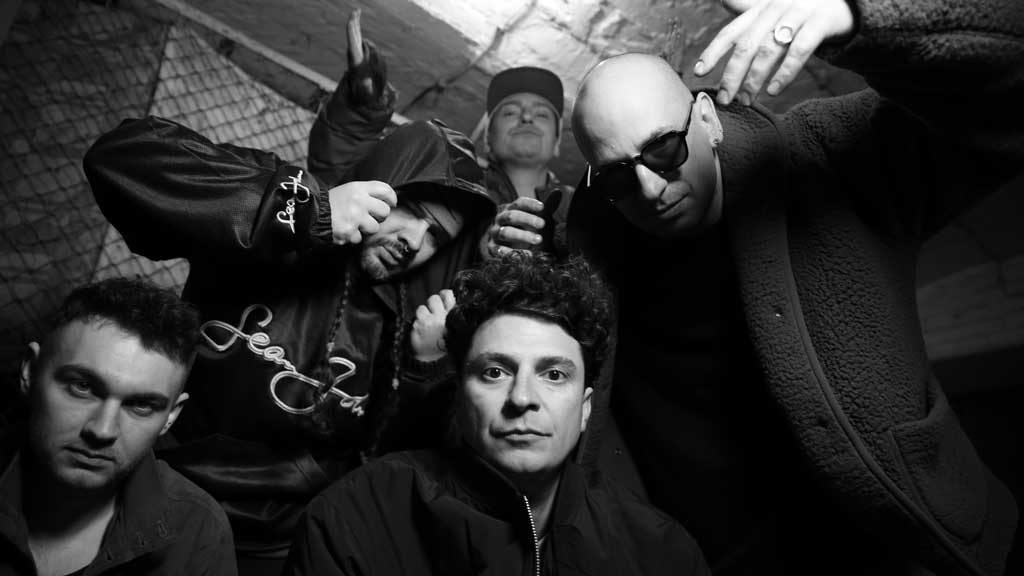
EABS
The opening night at Cadogan Hall on 11 September carries perhaps the most significant single item in the whole programme: the first live performance, ever, of Wstęp Wzbroniony, the collaboration between Tomasz Stańko and Andrzej Trzaskowski. For anyone who has followed the recorded history of Polish jazz, this is a genuinely notable moment — a piece of the tradition’s foundational repertoire finally getting off the page and into a room, performed by EABS, a group whose own catalogue draws directly on that Komeda-Stańko lineage while filtering it through hip-hop production sensibilities and heavier electronic textures. It is a smart piece of programming: pairing archival significance with a band capable of making the material feel alive rather than reverent. The same evening brings the Wojtek Mazolewski Quintet premiering new material with guests, which should give the opening gala real range rather than a single mood sustained across three hours.
Saturday 12 September doubles up at Cadogan Hall with two very different propositions. Kayah, an artist whose career has moved fluidly between pop, soul and world music, presents Jazzayah, a reworking of her back catalogue and some standards through a jazz lens — the kind of crossover billing that can go either way, but one that at least signals the festival’s willingness to look beyond a narrowly defined idea of what counts as jazz. Later the same evening, Urszula Dudziak makes what the organisers are billing as a rare London appearance. Dudziak’s voice — its elasticity, the vocalese and electronic processing she pioneered decades before it became commonplace — remains one of the more distinctive instruments to emerge from Polish jazz, and her collaborative history with Komeda, Herbie Hancock, Bobby McFerrin and Sting speaks for itself. A recent Netflix documentary has brought her renewed attention outside jazz circles, and this appearance is one of the dates on the calendar I would be sorry to miss.
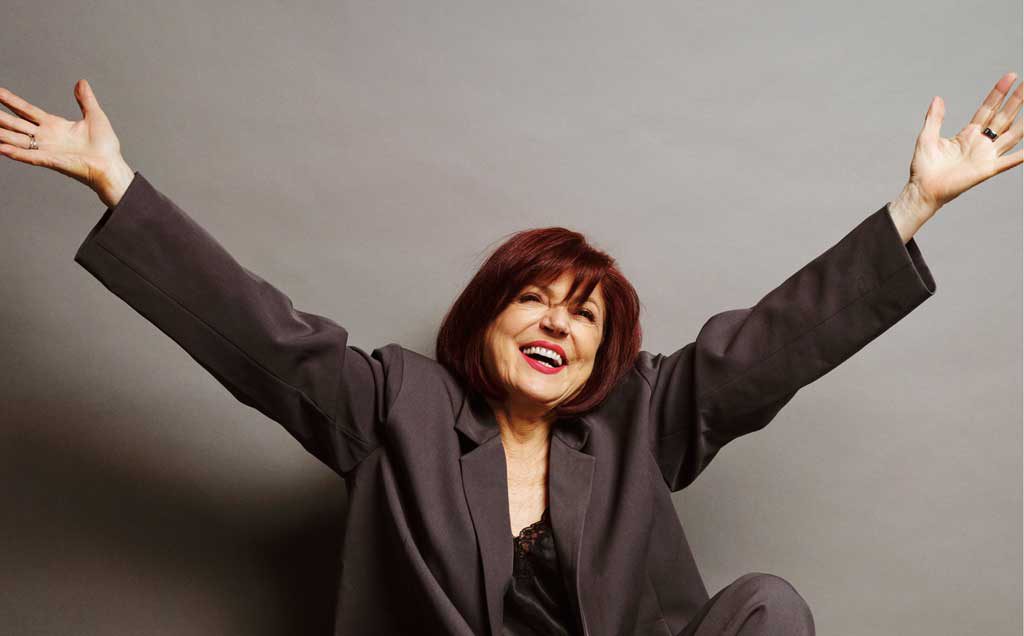
Urszula Dudziak
The following day shifts the setting to Union Chapel for Warsaw Jazz Takeover, an evening built around the city that has anchored Polish jazz’s institutional life for decades, home to Jazz Jamboree and Warsaw Summer Jazz Days. The bill brings together the Marcin Masecki Trio, the younger group HVMBLE, and the Warsaw Village Band, whose reworking of Polish folk material earned them a BBC World Music Award. It is a well-judged combination — pairing an established improviser in Masecki with newer voices, under the banner of a single city’s scene rather than a generic “Polish jazz night.” That kind of specificity is exactly what makes a festival like this worth attending rather than simply worth reading about.
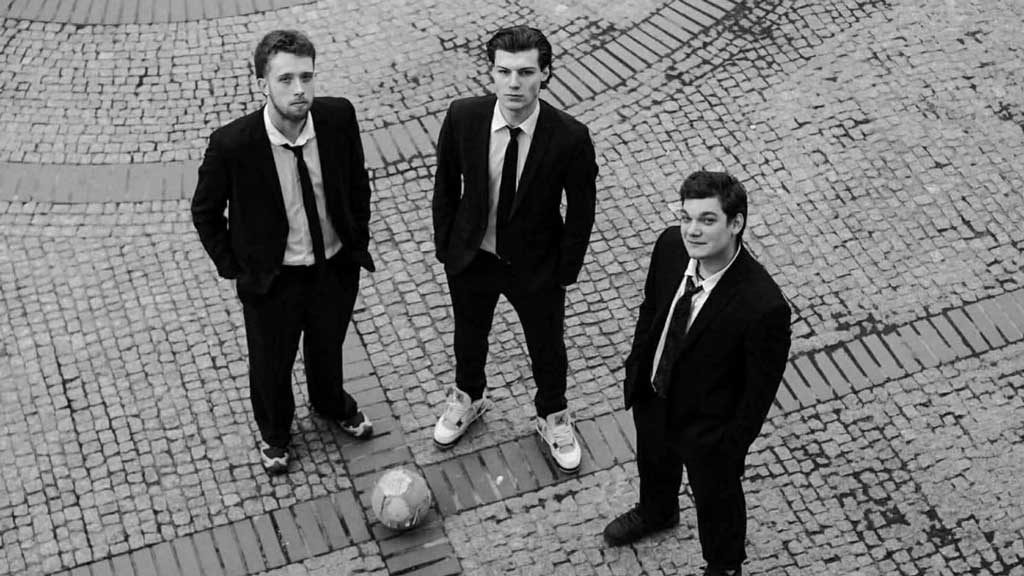
HVMBLE
The closing weekend, 26 and 27 September, brings the programme’s two most conceptually ambitious bookings. Chopin Residue, created by producer and writer Mariusz Szypura, reimagines Chopin’s music through improvisation and electronics, with a cast that includes Adrian Utley of Portishead, John Stanier of Battles and Sean O’Hagan of The High Llamas — a lineup that suggests this will sit closer to art installation than conventional jazz concert, and all the more interesting for it. On the same night, Leszek Możdżer offers a tribute to Komeda, whose scores for Roman Polanski’s early films did more than almost anything else to carry Polish jazz’s sound to an international audience. Możdżer is one of the finest pianists working in Europe today, and hearing him address Komeda’s material directly, rather than through the more diffuse influence that runs through so much contemporary Polish playing, feels like one of the festival’s genuine centrepieces.
The festival closes on 27 September at Kings Place with Kosmonauci, a quartet drawing on drum & bass and hip-hop alongside improvisation, and by most accounts one of the more energetic live acts to have emerged from Poland’s current jazz generation. Ending on the youngest band in the programme is a deliberate statement — this is not a festival interested only in legacy, however strong that legacy is.
What strikes me most about this programme, taken as a whole, is how deliberately it resists flattening Polish jazz into a single identifiable “sound” for the benefit of an unfamiliar audience. There is Komeda’s cinematic lyricism running through Możdżer’s tribute set, the folk-rooted improvisation of the Warsaw Village Band, the electronic and hip-hop inflected work of EABS and Kosmonauci, and the genre-crossing pop sensibility of Kayah’s Jazzayah project, all sitting under one banner across seventeen days. That range is, I think, the honest picture — Polish jazz was never one thing, and a festival that tried to present it as one would be doing its subject a disservice.
Last year’s sold-out debut suggested London audiences were more receptive to this material than the relative absence of Polish artists on UK festival bills over the years might have implied. This year’s expanded programme puts that receptiveness to a bigger test, and on the strength of what has been announced so far, it deserves to pass it comfortably. Tickets for individual concerts are on sale now, with full details available through the festival’s official channels.
Last modified: July 23, 2026