

 Written by
 On 14 and 15 May 2026, the city of Dijon hosts the sixth meeting of the Jazz France Balkans Network — a multilateral project that links French and Western Balkan cities through jazz, cultural exchange, and a shared belief in music as a vehicle for dialogue. I have been invited to deliver the inaugural keynote address, and Jazz in Europe is proud to support an event that places two of Europe’s most creatively fertile jazz scenes in the same room.
If you want to understand where European jazz is heading, you could do a lot worse than spend time with the French and Balkan scenes. Both are producing music of real ambition right now — restless, forward-thinking work that draws on deep local traditions while remaining completely open to the wider world. The cross-pollination between them, when it happens, tends to be genuinely interesting. So a network that has been systematically building those connections since 2019 is worth taking seriously, and a conference that puts musicians, educators, journalists, and cultural administrators from both regions together for two days of substantive conversation is exactly the kind of event this music deserves.
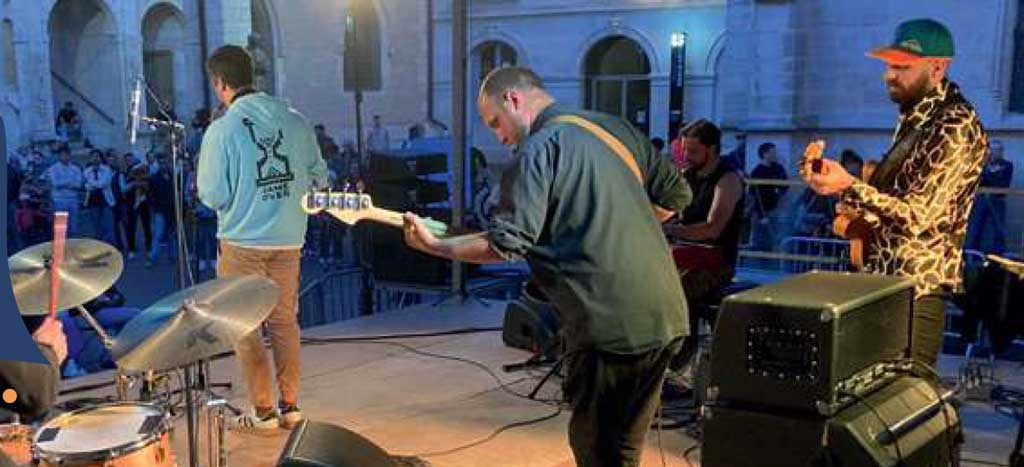
The Jazz France Balkans Network connects the cities of Dijon and Chambéry in France with Tirana and Korça in Albania, Bitola in North Macedonia, Podgorica in Montenegro, and Niš in Serbia. Dijon has coordinated the network from the beginning, holding it together through the early disruption of the pandemic and into what feels like a more expansive phase. What distinguishes the project from more purely diplomatic forms of cultural cooperation is the people involved: working professionals from the jazz world — musicians, festival directors, teachers, specialist journalists — rather than institutional representatives alone. The conversations that produces have weight.
The programme across the two days reflects that seriousness. Thursday opens with a welcome from Nathalie Koenders, Mayor of Dijon, followed by my keynote, and moves into an afternoon panel on jazz as a factor for peace. It is a theme that carries real resonance given the history of the region, and the participants bring genuine authority to it: Saša Miljković, honorary Consul of France in Niš, musicologist and jazz historian Anne Legrand, and pianist and educator Stéphane Tsapis, moderated by Bertrand Fort of the City of Dijon.
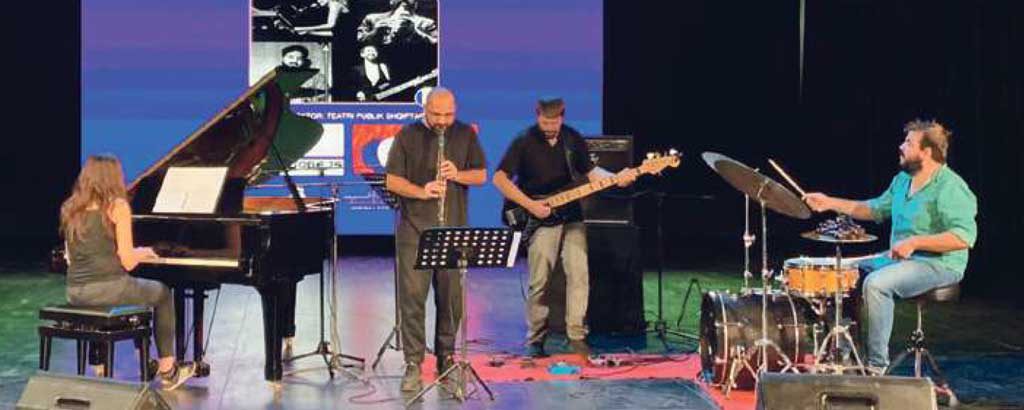
Friday’s panels cover ground that feels just as pressing. The morning opens with jazz in the media — a discussion I follow with obvious professional interest — featuring journalist and critic Nenad Georgievski from North Macedonia, Danica Popović from Serbia, and Dutch jazz promoter and PR specialist Arlette Hovinga, moderated by Jacques Pauper of Couleurs Jazz Radio. The conversation then shifts to jazz education, with contributions from Gentian Rushi, head of the jazz department in Tirana, and French educators Bertrand Furic and Benoît Lallemant. The afternoon closes with a panel on women in jazz, featuring musicologist Iva Nenić and multi-instrumentalist, composer and activist Jasna Jovičević, whose New Spark Jazz Orchestra Balkan Women Jazz has been doing significant work in exactly this area.
Away from the conference tables, the programme has its own momentum. A group of young musicians from across the partner territories will be in artistic residence at the Conservatoire à Rayonnement Régional de Dijon from Wednesday through Friday, working with network mentors in what amounts to a concentrated creative exchange. On Thursday evening, a screening of Emir Kusturica’s Underground at the Darcy cinema offers a different kind of perspective on the region and its history. And on Friday evening, the France Balkans Jazz Band brings the conference to a close with a concert in the Cour de Bar at the Palace of the Dukes and States of Burgundy, as part of the wider D’Jazz dans la Ville festival. It is a fine setting for music that has earned its place in it. Admission to the conference is free, with prior registration required.
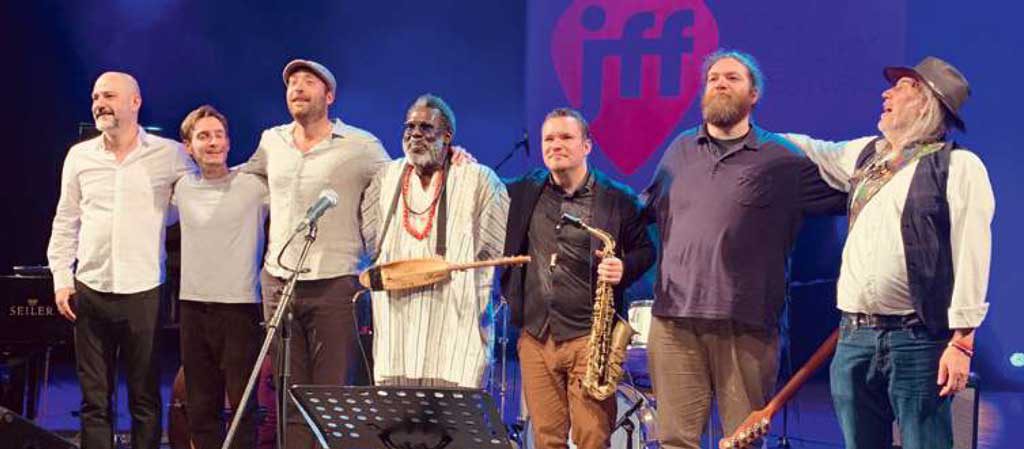
I am looking forward to being in Dijon for this. The keynote is an opportunity to say something honest about what jazz means in a European context right now — not as a historical artefact or a diplomatic symbol, but as a living creative practice with genuine stakes. The Jazz France Balkans Network understands that distinction, and it shows in the quality of what they have built over six years. Jazz in Europe is glad to be part of it.
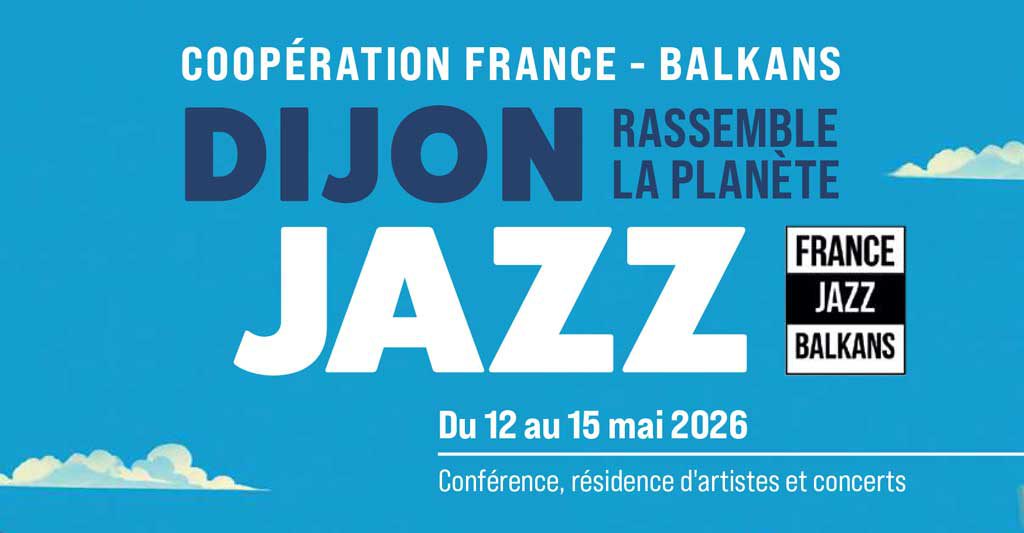
The conference “Dijon Rassemble la Planète Jazz / Dijon Brings the Jazz World Together” takes place on 14 & 15 May 2026 in Dijon, France. Admission is free with prior registration. The closing concert by the France Balkans Jazz Band takes place on the evening of Friday 15 May in the Cour de Bar, Palace of the Dukes and States of Burgundy, as part of D’Jazz dans la Ville.

Last modified: May 7, 2026