 Written by
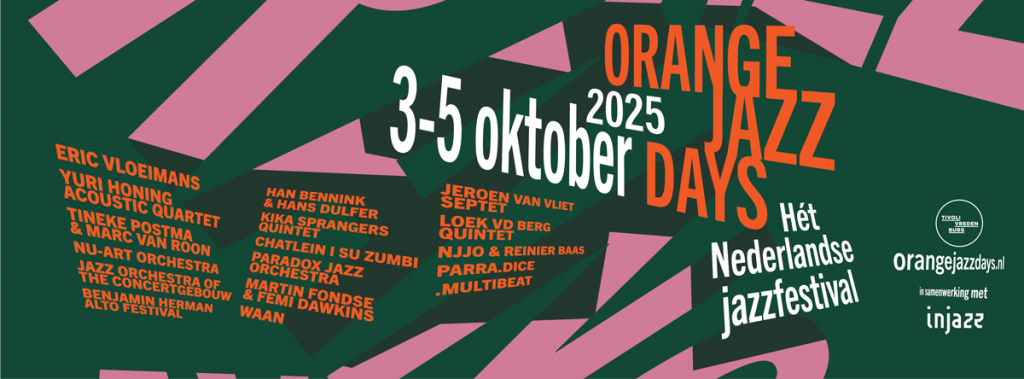
 From October 3rd to 5th, 2025, Orange Jazz Days inaugurates a new model for jazz festivals in the Netherlands, embedding its entire line-up in Dutch jazz: past, present, and future. Hosted at TivoliVredenburg in Utrecht, Orange Jazz Days is a deliberate shift from international headlining acts towards homegrown innovation, composition, and partnership.
In its first edition, the festival is presenting a program featuring large ensembles, veteran stalwarts of the Dutch scene together with new, cross-genre collective projects delivering a multifaceted showcase that defines what Dutch jazz is and what it might yet become.
The Dutch jazz scene is characterized by openness to collaboration, and a cosmopolitan blend of influences. Historically, Dutch jazz has thrived on experiment and dialogue and the genre’s ability to absorb new ideas without erasing local context. This is a visible thread throughout Orange Jazz Days. Within the festival, large ensemble projects and collaborative premieres are prominent. At its core is the principle that Dutch jazz is not static, but dynamic, tradition and innovation share the same space, and new music is always in process.
Nu-Art Jazz Orchestra | photo Bart Grietens
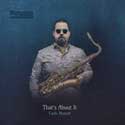
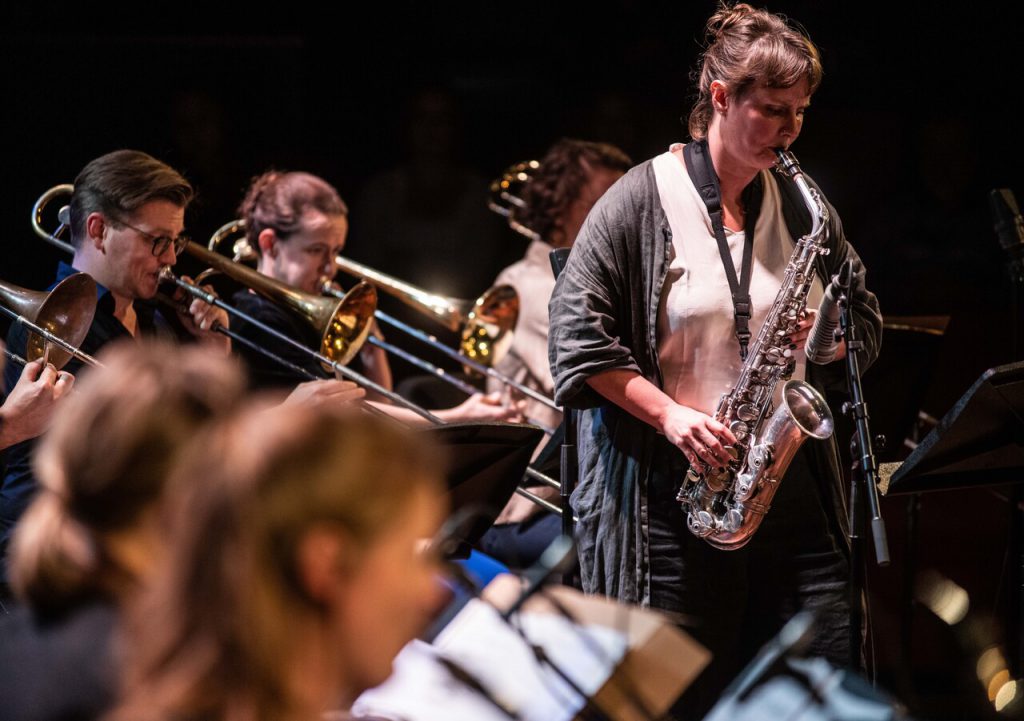
The festival launches with performances by a number of major orchestras. TivoliVredenburg’s ensemble-in-residence, Nu-Art Orchestra, opens the festival, premiering its new live album and a program of original compositions. Under Marike van Dijk’s direction, Nu-Art Orchestra has become a living workshop for ambitious, original big-band writing. Van Dijk isn’t simply leading from the front—her approach is about fostering an environment where group interplay and fresh ideas come first, allowing each band member to take on the role of composer as well as performer. The personnel—ranging from established figures like Tineke Postma and Suzan Veneman to promising younger talents—make the orchestra feel less like a hierarchy and more like a cross-generational incubator, with players learning from each other in both rehearsal and performance. Recent works such as those by Vincent Veneman, Postma, and Veneman herself reflect this collaborative ethos, weaving together tributes to Dutch jazz traditions with arrangements that carry those influences somewhere new.
The Jazz Orchestra of the Concertgebouw returns to Orange Jazz Days with a project honoring Misha Mengelberg, whose idiosyncratic voice shaped Dutch jazz composition for decades. Their program delivers re-interpretations of Mengelberg’s pieces, illuminating the ongoing dialogue between tradition and innovation. In addition, the Paradox Jazz Orchestra, under Jasper Staps, presents a survey of film music by Ruud Bos, demonstrating the versatility and enduring influence of genre hybrids on the local scene.
A second strand of the festival is its spotlight on younger acts and genre-defying projects. Orange Jazz Days integrates these into its nightly lineup and conference programming, reflecting the scene’s commitment to renewal and experimentation.
Loek van den Berg Quintet
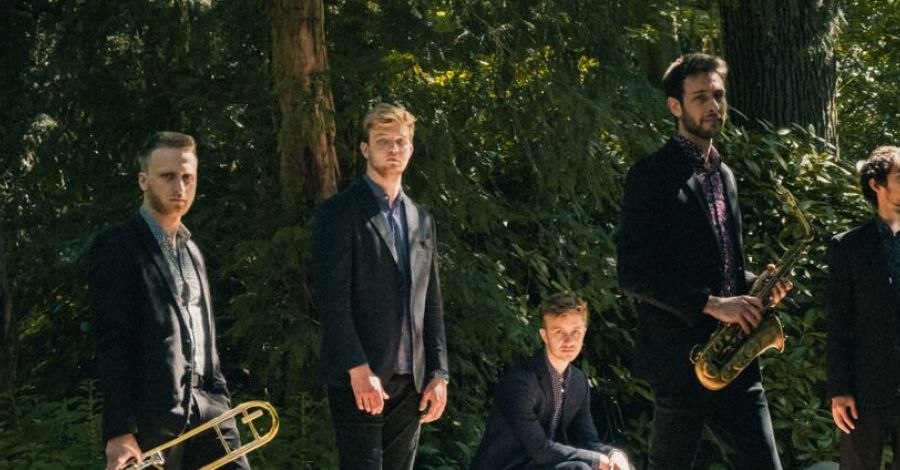
The Loek van den Berg Quintet—whose latest album, “Seafarer”, has been recognized as a standout release in 2025 and represents a new vanguard in composition and ensemble interplay. Their music, marked by textural exploration and ensemble-driven improvisation, enriches the festival’s narrative of discovery and self-renewal.
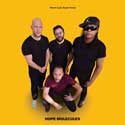
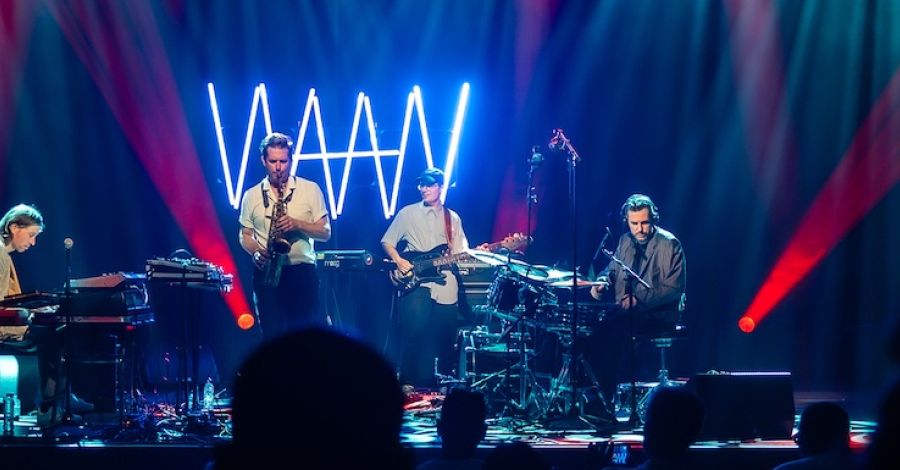
The womxn/queer collective PARRA.DICE closes out Friday with a set spanning jazz, funk, Latin, and contemporary groove. This project is significant not only for its musical blending but also for its inclusive ethos, which resonates across the festival. Also of interest is multibeat and WAAN that further push boundaries, connecting jazz with electronic music, hip hop, and global rhythms. Their sets create links to club culture and experimental performance, suggesting directions for Dutch jazz beyond the concert hall.
With the festival investing heavily in new work: trumpeter Eric Vloeimans premieres a commissioned Dutch Jazz Suite, created to reflect the genre’s historical arc as well as its contemporary expression. Kika Sprangers and the Jeroen van Vliet Septet also debut newly written compositions, reinforcing the festival’s role as a generator of future repertoire. This orientation towards premieres is not decorative; it serves as both practical and symbolic commitment to composition, renewal, and artistic agency.
Orange Jazz Days also features leading figures in Dutch jazz, some bridging decades of practice. Han Bennink and Hans Dulfer’s duo, renowned for irreverent and exploratory playing, appear as touchstones for improvisational exchange and interplay. Their set, anchored in unorthodox grooves and creative humor, exemplifies Dutch jazz’s appetite for risk and reinvention. Tineke Postma and Marc van Roon contribute to the tradition of saxophone-piano dialogue, while Benjamin Herman closes the festival with the European Alto Festival—a celebration of Dutch composition and the alto saxophone, bringing Erena Terakubo (Japan) and a group of international associates into the fold for a concluding showcase.
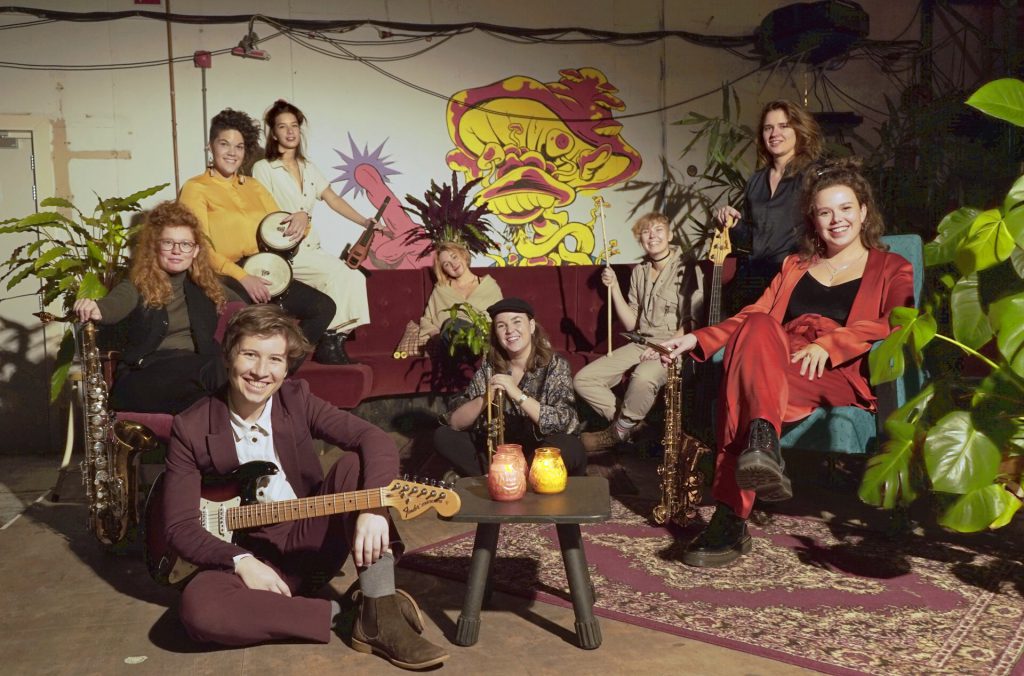
PARRA.DICE
The Friday conference program, organized in partnership with inJazz, enables dialogue between generations, inviting young players and established professionals into shared sessions, workshops, and discussions. This element underlines Orange Jazz Days’ wider purpose: not just to perform, but to develop and outline the future of Dutch jazz from within.
Each aspect of Orange Jazz Days reflects thematic interplay between tradition, renewal, and community. The commissioning of new works, given to Eric Vloeimans, Kika Sprangers, and Jeroen van Vliet, testifies to the festival’s stake in original composition. The residency of Nu-Art Orchestra and the programming of ensembles such as Paradox and the Jazz Orchestra of the Concertgebouw reinforce the foundational role of big bands in Dutch jazz.
The festival is less a revelation than a confirmation, a live cross-section of a scene known for experimentation, critical engagement, and constant revision. The event’s impact within the community is reinforced by its deliberate inclusion of established artists, new composers, and genre-mixing collectives. Orange Jazz Days provides both a platform and a test, a space for challenging expectations and proposing new models for what Dutch jazz can be, both locally and further afield.
In conclusion, Orange Jazz Days’ debut situates Dutch jazz on its own ground, weaving the threads of tradition, originality, and partnership into a multi-day event aimed at defining both the present state and future prospects of the genre. The festival’s structure—opening with Nu-Art Orchestra’s original, collectively authored program, bridging major big-band projects with small, cross-genre acts, and closing with Benjamin Herman’s European Alto Festival—offers a layered picture of a scene at once well established and restlessly inventive.
This first edition of Orange Jazz Days is not the conclusion, but a beginning—a space for reflection, listening, and critical engagement, where Dutch jazz asserts itself not by appealing to outside validation, but by opening its doors to its own makers and listeners, and allowing the music to speak to itself and for itself.
Tickets are available here at the TivoliVredenburg Website.

Last modified: September 30, 2025