
 Written by
 Jazz is a creative art form that thrives on innovation and expression. However, as with all niche genres, getting your music to the public can be a challenge. The recent acquisition of [PIAS] by Universal Music Group (UMG) is just the latest in a long line of consolidations within the music industry. This trend is nothing new; we’ve seen it before with UMG’s acquisition of EMI in 2012, Sony’s purchase of BMG’s publishing catalog in 2012, and Warner Music Group’s acquisition of Parlophone Label Group in 2013. However, the [PIAS] deal stands out as a major signal, given [PIAS]’s status as one of the last bastions of independent distribution.

Andrew Read | Chief Editor and Publisher – Jazz In Europe Magazine
This consolidation trend extends beyond labels and distributors. Major labels are also acquiring vinyl pressing plants, exacerbating capacity issues for independents. For instance, Sony Music Entertainment purchased a majority stake in vinyl pressing plant Precision Record Pressing in 2018. These acquisitions are leading to longer lead times and reduced capacity for independent labels and artists, who often find themselves at the back of the queue behind major label priorities.
The consolidation of major distributors could limit options for independent artists. However, the jazz community has always been resourceful. Musicians are now finding new ways to connect with their audiences, applying their creativity not just to their music but also to building their fan base.
Platforms like Bandcamp are becoming essential for jazz artists looking to maintain control over their work. These platforms allow musicians to sell digital downloads and physical products, such as limited edition vinyl, directly to fans. This direct connection fosters a sense of community and allows artists to keep more of the revenue generated from their sales.
The vinyl resurgence has been particularly beneficial for jazz. Many artists are taking advantage of this trend by selling vinyl directly at their shows. This approach not only offers fans a tangible piece of the performance but also enhances the overall concert experience.
Independent jazz labels are also adapting by creating their own channels for distribution and engagement. Some are developing subscription services that provide fans with monthly vinyl selections along with exclusive content like live-streamed performances or behind-the-scenes access. Subscription services by independent jazz labels significantly enhance fan engagement by fostering direct connections between artists and their most dedicated listeners. These platforms allow labels to offer exclusive content, such as early releases and behind-the-scenes footage, creating a sense of community and intimacy. This model not only nurtures loyalty but also empowers labels to explore niche offerings, ultimately enriching the jazz experience for both artists and fans.
Moreover, some jazz musicians are collaborating in collectives, pooling resources to navigate the business side of music together. These collectives can provide support in marketing and distribution, allowing artists to focus on their creative output while sharing the costs associated with running a label.
As they face these industry changes, jazz musicians are learning to be creative in how they promote themselves and engage with fans. Many artists are increasingly using platforms like Patreon to offer exclusive content directly to the fan. This approach not only provides a steady income stream but also deepens the connection between musicians and their most dedicated supporters. The bottom line is that a musician’s fanbase is their most important asset.
While the challenges posed by corporate consolidation are significant, they are also prompting innovation within the jazz community. By taking control of their distribution and finding new ways to connect with audiences, independent jazz artists are not just adapting; they’re building a sustainable eco-structure.
The future of jazz lies in its ability to innovate. Moving forward, independent musicians and labels will need to embrace these new approaches to ensure that this vital genre continues to grow and resonate with audiences. In this evolving landscape, jazz remains a dynamic art form, proving that creativity extends beyond music itself.

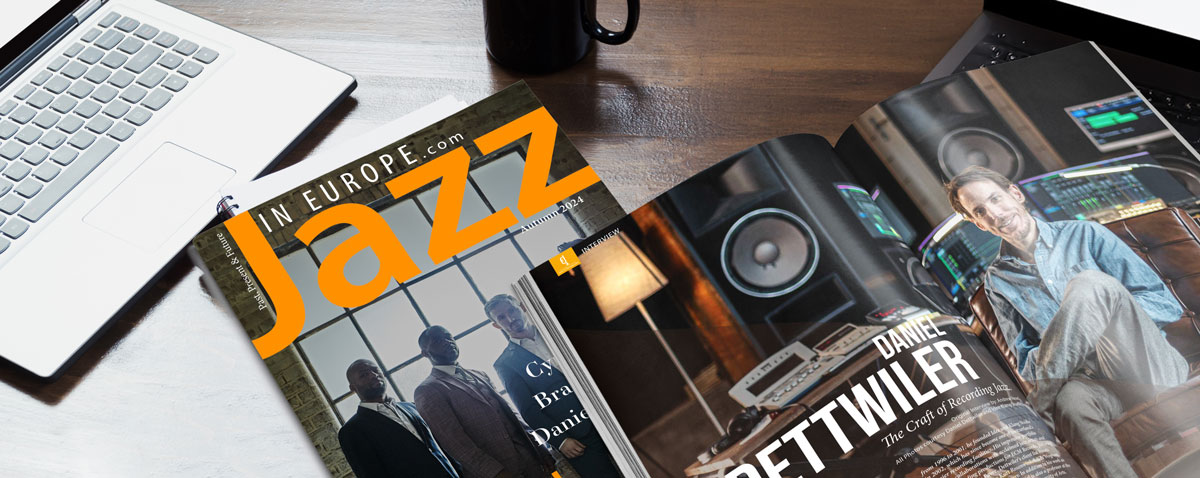
 This Interview is featured in the Autumn 2024 edition of the Jazz In Europe Magazine. This issue offers a rich tapestry of jazz content for enthusiasts and professionals alike. This edition features in-depth interviews with notable artists such as UK band Empirical and Brad Mehldau. Readers will find insightful pieces on the craft of recording jazz with Daniel Dettwiler, and explorations of the jazz scenes in Budapest and Sweden through conversations with artists like Veronika Harcsa, Bálint Gyémánt, and Claire Martin.
The magazine also includes a special “Vinyl Corner” segment featuring Pierre Wittig, an audio technician specializing in high-quality amplifier restoration. Additionally, readers can enjoy album reviews, a thoughtful editorial on jazz’s response to corporate consolidation in the music industry, and a feature on Cyrille Aimée and finding musical inspiration in Costa Rica.
Last modified: November 14, 2024