 Written by
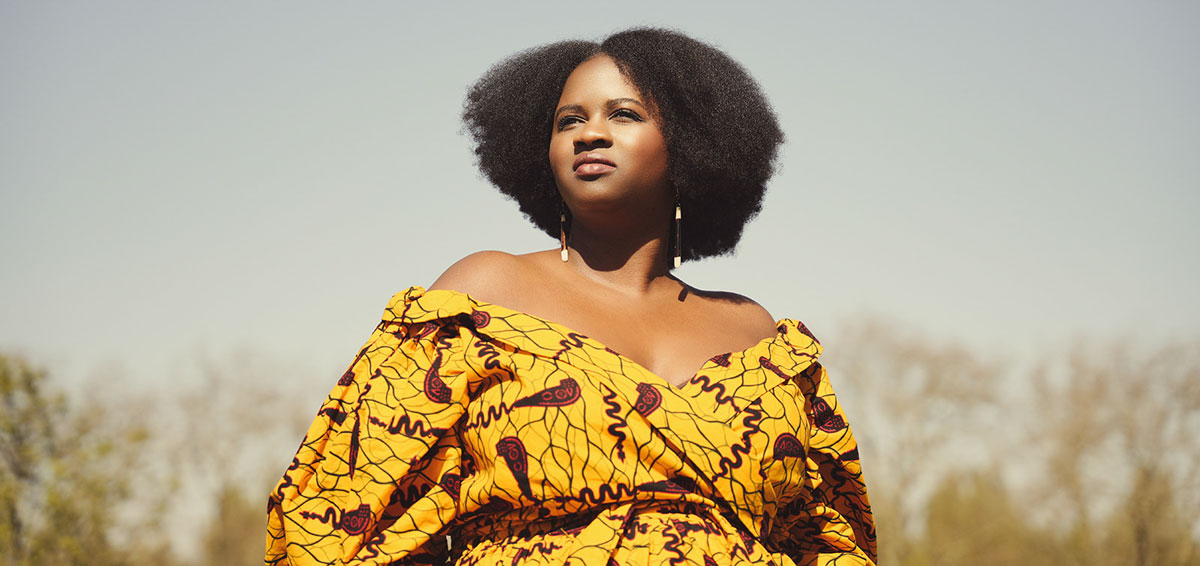
 I first saw Ineza perform live at Jazzahead a few years ago, and her voice and presence made a strong impression. Since then, she has been building a quiet but steady profile within the UK jazz scene, carving out a space with her own original music and thoughtful approach. With her debut album *Ibuka* about to be released, it seemed the right moment to sit down and explore her story, her influences, and how she has developed her sound. What emerges is a picture of an artist growing confidently into her own, shaped by personal experience and musical curiosity as much as technical skill. During my interview with her, we took a close look at that journey and what lies ahead.
Ineza’s path to jazz was far from straightforward. Born in Rwanda and raised in Belgium, she grew up in a home where music was appreciated rather than pursued professionally. Her mother was an admirer of Andrea Bocelli, and her uncle played classical music, but jazz was absent from her early life. As a child, Ineza was drawn to musicals and Disney soundtracks, dreaming of a future on the musical theatre stage. It wasn’t until her teens, when she began an acting program and discovered dance wasn’t her strength, that she found herself at a crossroads. While boarding at school, and singing constantly, “probably annoying everyone,” she laughs, a caretaker suggested she explore jazz, noting her sister studied it at the conservatory in Ghent. “Maybe you should look into it,” she said.
Curious, Ineza began to explore jazz, initially through Amy Winehouse, a gateway rather than a destination. Amy’s frequent references to Sarah Vaughan and Ella Fitzgerald prompted her to listen to those jazz icons herself. “I just fell in love,” she admits, “even though I didn’t know anything about jazz at the time.”
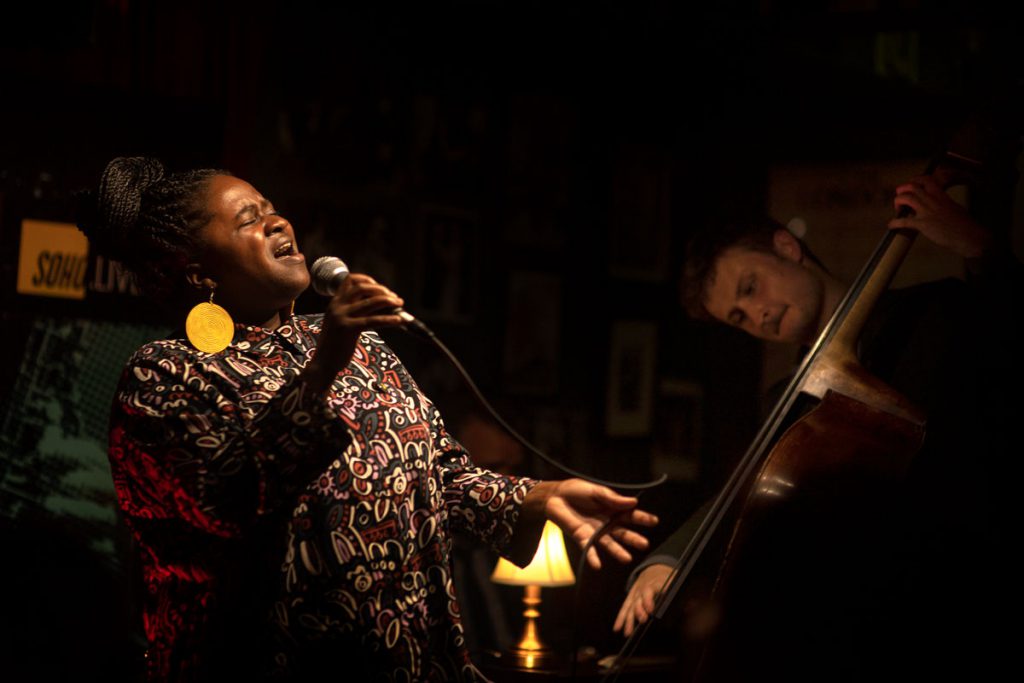
Her musical journey took her to the Netherlands to study jazz vocals at the Maastricht Conservatoire. Yet after three years she felt a restlessness, Maastricht was charming but small, and she yearned to dive deeper into jazz and life in a larger city. Amsterdam, Brussels, Berlin, Paris all were contenders, but she set her sights on London, “the biggest city in Europe,” as she calls it. Attending open days at three conservatories, she found Trinity Laban Conservatoire of Music and Dance in Greenwich the right fit and moved to the UK, fully committing herself to jazz vocals.
Her time at Trinity was transformative both musically and personally. “I also learned English really well. I already spoke English before I came, but I wanted to really get it right because it’s such an integral part of the music,” she reflects. Immersed in London’s vibrant scene, Ineza found both her place and her voice—a journey that started miles from jazz yet ultimately found a home in its heart.
Arriving in London in 2015, she threw herself into the city’s dynamic jazz scene, attending jam sessions as often as she could—at venues like Ronnie Scott’s and beyond. Often the only singer in the room, her courage to be heard quickly distinguished her, opening doors to gigs and collaborations. From the outset, her focus was on original material.
The loss of her mother in 2012 was a turning point, a catalyst for songwriting that allowed her to process grief and forge an authentic artistic voice. “Writing music allowed me not just to process my pain, but also to shape a new voice rooted in honesty and emotional depth,” she says. Already leading a band performing her original songs in Maastricht, she arrived in London determined to continue developing her own work.
Although Ineza’s roots are African and she is part of the diaspora, her music rarely draws overtly on traditional African styles. Reflecting on this, she observes that the UK jazz scene’s emphasis on standards and tradition has influenced her sound. “There are exceptions, like Ezra Collective—who weave Afrobeat and highlife into their music,” she says, “but I’m more tuned into contemporary jazz, UK or American styles, than Afrobeat.” This recognition of environment as a shaping force complements her personal narrative as she continues to craft her unique voice.
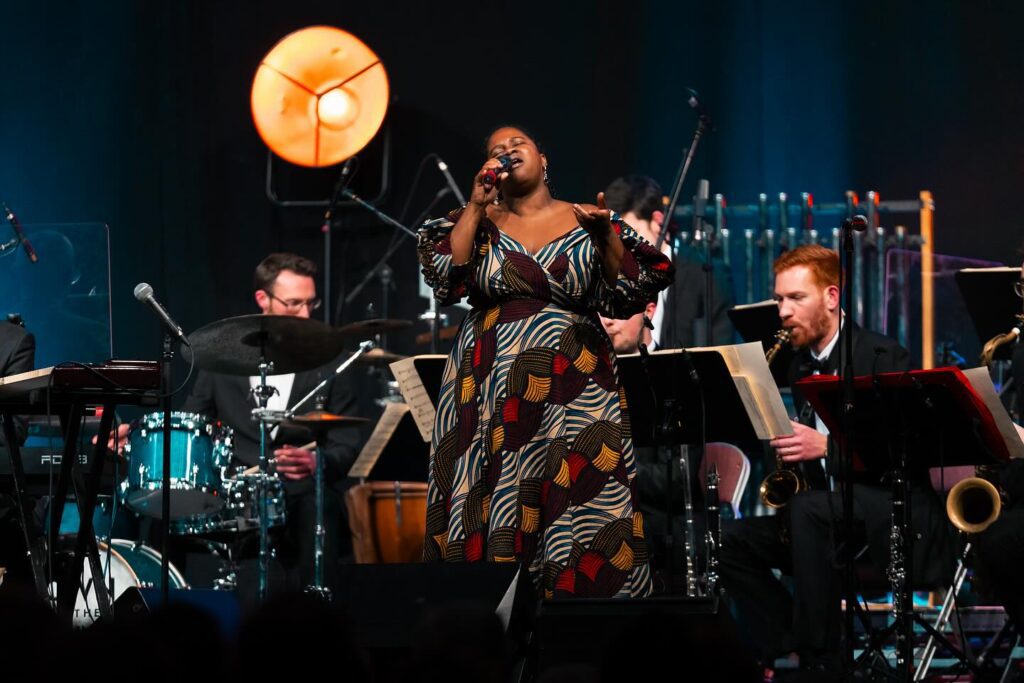
Ineza’s first two EPs capture an important period of artistic formation, revealing her growing confidence and deepening exploration. The debut EP, *Where Are You From?*, emerged from an interest in neo-soul artists such as D’Angelo, Jill Scott, and Erykah Badu. She sought to blend their rhythmic and harmonic sensibilities with her jazz background, simultaneously negotiating the challenges of writing lyrics in English. This project marked the beginnings of her songwriting, a space where she began to articulate her emotional landscape through original material.
With her second EP, “Who Am I”, Ineza shifted towards a clearer jazz orientation, introducing acoustic instrumentation and reconnecting with her jazz roots. Influences ranged from vocalists Gretchen Parlato and Esperanza Spalding to folk musicians like James Taylor, melding diverse sources into a sound that was both grounded and expansive. These early works laid the foundation for the thoughtful and nuanced approach to music-making she sustains today.
The themes of identity and belonging run quietly but persistently through her music and life experience. Adopted from Rwanda and raised in predominantly white Belgium, Ineza first became aware of her racial difference in childhood, a moment crystallized by a simple school exercise. “The teacher told me to use brown instead of pink for my skin,” she recalls. Though her family accepted her without question, outside she often faced questions about her origins and language, compelled to recount that she was born in Rwanda but grew up Belgian. These tensions between birth and upbringing inform the emotional core of her songwriting, becoming more pointed in her latest work.
“Ibuka”, her first full-length album, traces these themes further still, reflecting on loss, memory, and growth. Dedicated to her adoptive mother Francine, who played a pivotal role in her life, the album is both a tribute and a testament to enduring love. “She made me who I am today,” Ineza says simply, “and this album expresses my love for her and the love she gave me, which has kept me going.” The material reflects her personal journey across countries and cultures, grappling with heritage and grief while embracing complexity of identity.
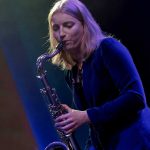
The album’s creation was deeply collaborative, particularly with her fiancé and saxophonist Michael Lack. Their musical dialogue, evident previously in tracks like “Duality,” became integral to *Ibuka*’s developing sound. She cites inspirations from intimate jazz partnerships like Nancy Wilson and Cannonball Adderley as well as the playful complexity of Stevie Wonder’s songwriting, which informed unconventional elements in compositions like “Walking Away.”
Ineza’s songwriting process is intuitive, often beginning with a phrase or chord sequence before the full song’s meaning crystallizes. “Sometimes the tune comes together quickly if the story is clear,” she explains. Harmonically, she draws on rich jazz extensions to enhance expression, seeking to align musical texture with lyrical tone. A piece like “Song for My Mother,” written as a round, symbolizes memory’s cyclical nature and the enduring impact of loss.
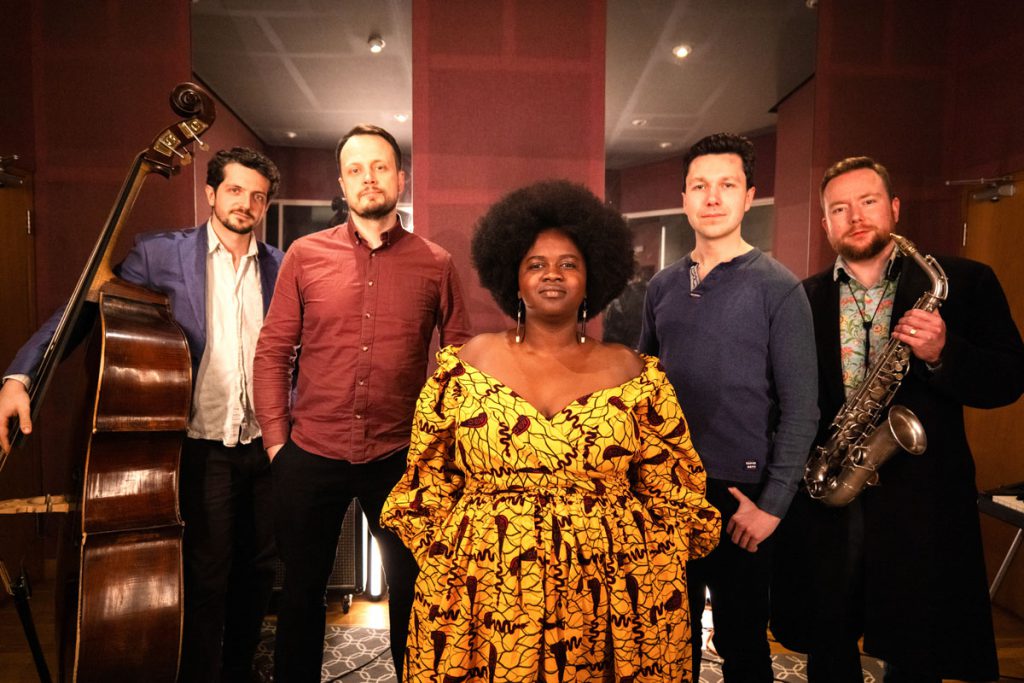
Arrangements were collaborative, with Ineza shaping lyric and harmonic structure but leaning on her band—especially pianist Rob Rockway—to flesh out grooves and textures. This collective approach helped the album become not just a personal statement, but a living musical conversation.
While her debut EP leaned into neo-soul, Ineza now focuses firmly on contemporary jazz. “I love neo-soul, but a lot of people are doing it very well already,” she says. “I don’t think I can add anything new to neo-soul, but I do think I can bring something to contemporary jazz.” *Ibuka* reflects this artistic maturation—a deeper engagement with jazz’s expressive possibilities through the lens of her evolving voice as composer and singer.
As our conversation concluded, Ineza spoke warmly of future aspirations beyond the studio. Outside of music, motherhood is high on her personal horizon—“I’d like to become a mother soon.” Her musical ambitions remain equally vivid; she dreams of performing on major stages like Gent Jazz, Love Supreme, and the North Sea Jazz Festival, venues that have long inspired her. Already contemplating her next album, she remains open: “I’m not sure yet if it’ll be the same lineup or if I’ll add more horns, maybe even approach a big band vibe.” Listening widely and following inspiration’s thread, Ineza continues to chart her distinct and compelling path in this ever-evolving art form.
Last modified: September 30, 2025