 Written by
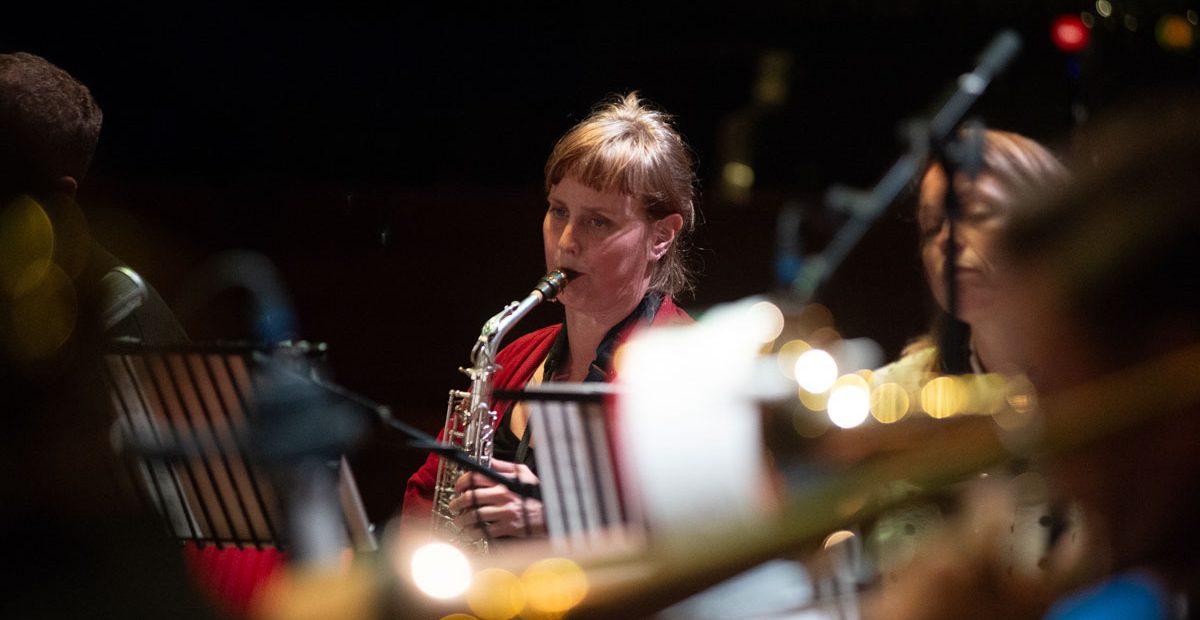
 Dutch saxophonist, composer and bandleader Marike van Dijk, has steadily carved out a distinctive voice on the European jazz scene. Known for her adventurous spirit and commitment to expanding who is heard in jazz, she leads the Nu Art Orchestra, a vibrant ensemble born from her PhD years, featuring a striking majority of female musicians.
With their new album set to release this October, it felt like the perfect moment to sit down with Marike and talk through her journey from small-town Friesland to New York and Australia, and back to the Netherlands, tracing how her diverse experiences and evolving vision come together in this bold big band project.
Marike van Dijk grew up in a small town in Friesland where music was part of everyday life. As is often the case in the Netherlands, her introduction to music came through the local tradition of fanfare and Wind Band Orchestras. She recalls that her mother encouraged her and her siblings to balance sports with music lessons, making the arts a regular part of their upbringing. “When it was time to pick an instrument, I just went to the orchestra and straight away chose the saxophone because it looked the coolest, It had the most buttons.” Marike says. This was the start of a lifelong connection.
In those early years, she progressed from basic musical education to joining the youth orchestra, then quickly into the full orchestra. While the structured repertoire of classical and brass band music formed her foundation, Marike also found herself drawn to other genre’s, particularly the jazz touches she encountered in some of the music methods. This curiosity opened the door to further exploration.
Alongside the orchestra, she began playing tenor saxophone in a local big band and even joined a punk-ska band at the age of 14. “That mix of genres, playing with different ensembles, is really the beginning of what I do now, I guess stage was set early on. ” she explains.
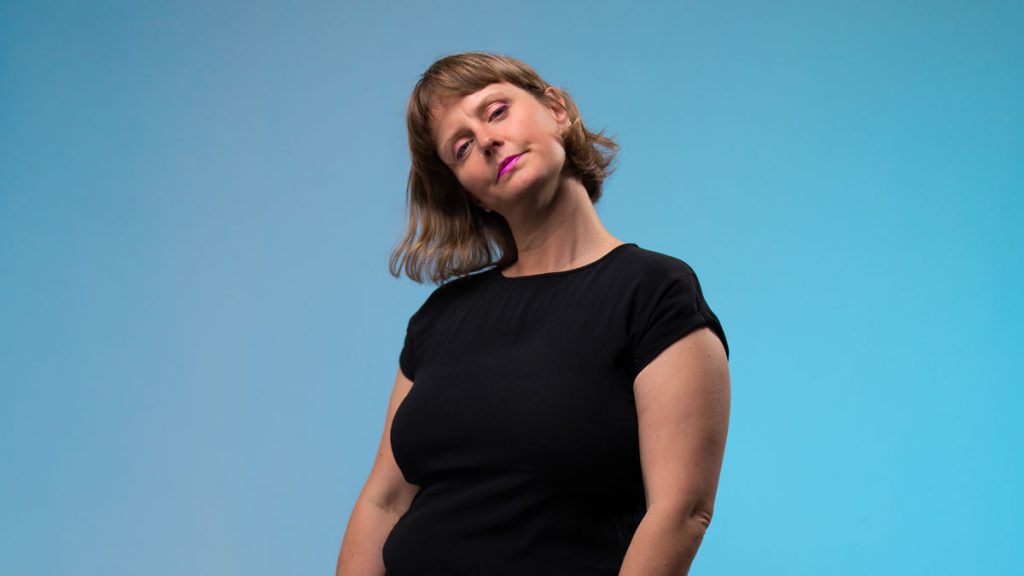
Eventually she studied at the conservatorium in Rotterdam and then went on to do a Masters in Amsterdam however it was during her time in Amsterdam that she first was drawn to New York, when she took part in a semester exchange program with the Manhattan School of Music in 2007. For that brief time, the city made a strong impression on her. “I went to New York for a semester and I was like, man, I gotta go back,” she recalls. The energy, the focus on music, and the sheer variety of creative possibilities made it clear this was a place she wanted to return to.
However, returning immediately was not an option. After completing her degree in Amsterdam, Marike threw herself into teaching and performing locally, even recording her first album with a quintet, made up entirely of original compositions inspired by her New York experience. This 2010 release marked the first step of many toward the artistic ambitions New York had sparked.
By that same year she played at the North Sea Jazz Festival, a milestone in its own right, she had decided it was time to relocate permanently. Marike secured a Huygens scholarship which enabled her to pursue further studies at New York University (NYU), and from 2011 onwards, she spent approximately four years in the city, first enrolled in a second master’s program designed less for the credential and more as a structured means to immerse herself in the New York music scene, and then extending her stay through connections and growing opportunities.
Her time in New York was transformative. Unlike the more rigid curriculum of the Manhattan School of Music, NYU allowed her much greater flexibility to explore fields beyond performance. Marike took up composition and film scoring classes, driven by a desire to expand her artistic skill set beyond saxophone playing. “I wanted to not only be a performer anymore, but I wanted to focus on composition more when I went back,” she explains. Film scoring offered a practical way to combine her love of music with more diverse creative projects that could provide financial stability alongside artistic fulfillment.
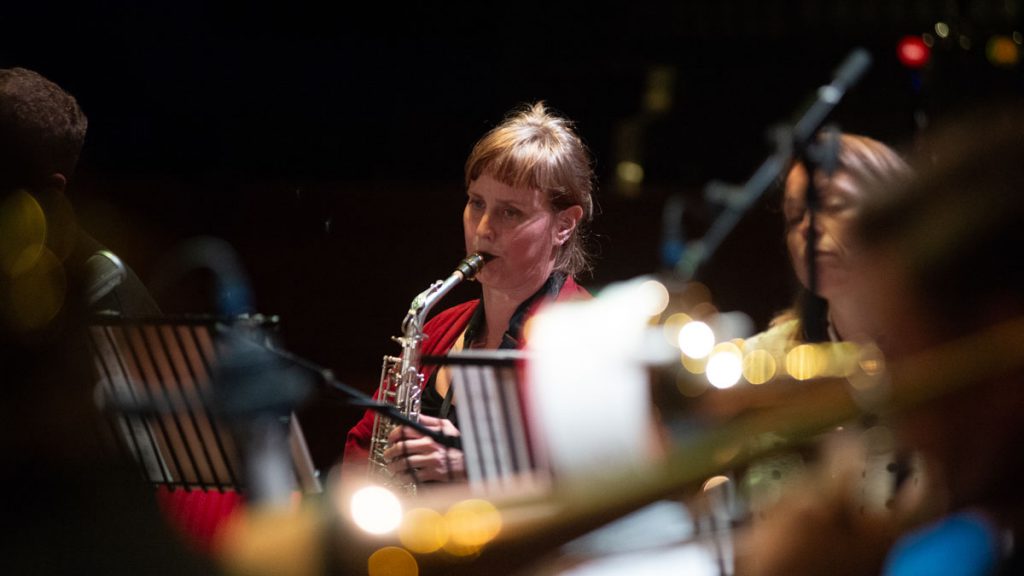
It was during these years that her concept for the Stereography Project began to take shape. The project grew out of her interest in composing for larger ensembles, but with instrumentation that veered away from the traditional big band configuration. A key moment was when she enrolled in a course on composing for large jazz ensembles at NYU, where she encountered a setup that included strings rather than horns alone. This sparked the first piece for the project: “I’m Not a Robot,” which became the opening track on the debut Stereography Project album.
At the same time, Marike was involved in several interdisciplinary collaborations. She worked with an improvisational dance company, The Lovelies, and with experimental instrument designers like Andy Cavatorta. This reflects a continued eagerness to blend genres and forms, a throughline back to her earlier musical experiences but now expanded by the open, experimental environment of New York.
Joining the BMI Jazz Composer’s Workshop further connected her with New York’s vibrant composer community, providing a platform to develop her writing and arranging. Her focus shifted decisively toward composition, evident in her founding of the Stereography Project as her large ensemble vehicle. The group has since performed extensively, presenting music described by pianist and arranger Gil Goldstein as having “an organic quality” with a “balance” that suggests structures “based on nature.” Goldstein praises her style for its honesty and emotional clarity, qualities that have earned her recognition and support, including the prestigious North Sea Jazz Festival’s composition commission in 2022.
Marike’s choice to live and work in New York was as much about artistic growth as practical necessity. The city offered a concentration of resources, musicians, and creative energy that is difficult to match, and for a jazz composer and performer with a vision that embraces diversity and experimentation, it presented the ideal environment. Her initial exchange semester was a catalyst, but the years she spent immersing herself in the scene and its possibilities laid the groundwork for a career defined by rich, layered compositions and innovative projects that cross traditional jazz boundaries.
Her work on the Stereography Project solidified during her final year at NYU, where she chose to make composition—and specifically writing for larger ensembles—a core focus of her studies. For her final recital, she presented numerous pieces composed for the project, then decided to take the next step to record an album. The recording took place in 2014 at the Bunker Studio in New York, a studio she speaks of with genuine fondness. The album was released the following year, marking an important milestone.
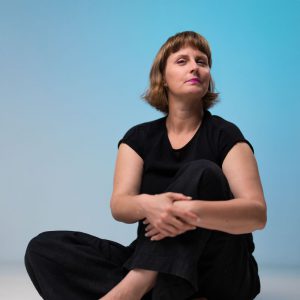 The project continued to evolve after she returned to Europe in 2015, fueled by a government grant that enabled her to produce a second Stereography album. This time, Marike broadened the sonic palette by incorporating vocalists Katell Keineg and Jeff Taylor, exploring how her arranging might integrate more pop-influenced elements “in a tasteful way.” This effort was a deliberate attempt to merge accessible songwriting with her compositional integrity as she put it.
Following her intensive years in New York and the solidification of the Stereography Project, Marike van Dijk entered a new chapter in her musical and academic journey by relocating to Australia to pursue a PhD in composition at the University of Queensland in Brisbane. This move was motivated not only by professional aspirations but also by personal needs for stability and renewal after years of relentless artistic hustle.
Around 2018, as she completed the second Stereography Project album with its adventurous blend of jazz and pop-inflected arrangements, Marike was simultaneously seeking opportunities for further academic growth. While she explored options in Europe and the United States, the logistics and formalities—such as demanding entrance exams required by NYU—led her to consider Australia more seriously. An existing family connection, with her sister already in contact with Australian universities, and a prior visit to the continent helped make the decision.
Critical to this path was her conversation with Rob Davidson, head of the composition department at UQ, whose embrace of practice-based research aligned perfectly with Marike’s interests in composition that integrates improvisation, collaboration, and genre fluidity. Brisbane offered not only an academically supportive environment but also the quality of life she sought: a place to find balance and regain energy.
The move marked a deliberate choice to slow down and heal from the years of demanding performance and project management. “I just wanted to do one thing, and that one thing be creative,” Marike explains. She embraced the rhythm of the subtropical city, with its vibrant cultural scene and easy access to natural beauty, allowing her space to focus deeply on her research and creative practice. The COVID-19 pandemic ultimately extended her stay, but she reflects on that time gratefully, noting how it gave her the chance to reconnect with herself beyond the “work-obsessed” pace she had previously known.
Despite her intention to concentrate purely on academic work, Marike’s creative drive continued to express itself through various projects. She co-organized the Brisbane International Jazz Festival, revitalizing a key event and deepening her engagement with the local and national jazz community. This role also opened doors to meet influential Australian musicians and helped cement her position within the creative landscape.
Alongside festival organization, She also dove into a fun side project with ambient sound designer Madeleine Cocolas. The two friends decided to start a band just for the sheer joy of it, embracing a quirky glam vibe complete with blue wigs and leopard print onesies. They called themselves Flightless Birds Take Wing—a playful, out-there contrast to the usually serious world of jazz. Marike loved this chance to let loose and do something totally different.
Returning to the Netherlands, Marieke embarked on a new project, the Nu Art Orchestra, a fresh and vibrant voice on the contemporary European jazz scene. Concepulized during her PhD years, this large ensemble reflects both a musical and cultural mission—a response to longstanding traditions and an urgent call for new models of representation and creativity in big band music.
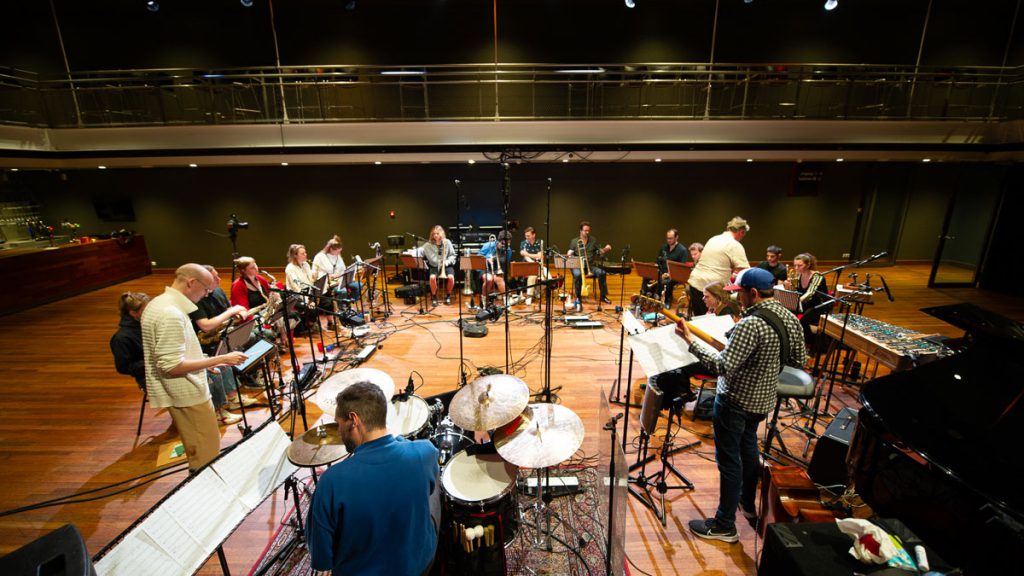
Marike was inspired by a broader intellectual discourse around alternative models for orchestras that emphasize improvisation, community, and identity. She cites George Lewis’s reflections on orchestras that foreground agency and cultural difference, which shaped her thinking about how a big band could be reimagined in today’s context. A key motivator was addressing what she saw as a significant imbalance in representation within jazz ensembles—particularly the underrepresentation of women and non-binary musicians.
“The intersectionality probably came a bit later,” she says, “but I realized very clearly that the absence of women means a missing voice, a missing part of the story.” Rather than simply researching these disparities, Marike took action by forming a band that would visibly claim space for these voices. The resulting orchestra features a majority of women, creating an environment that challenges the status quo while producing music with originality and edge.
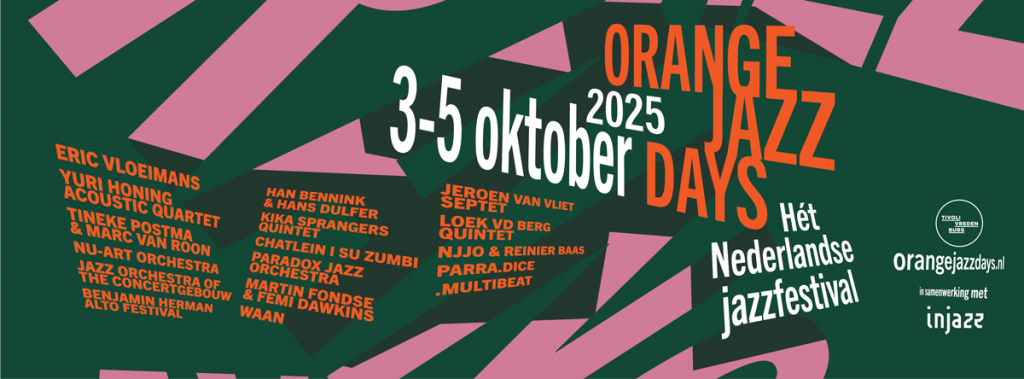
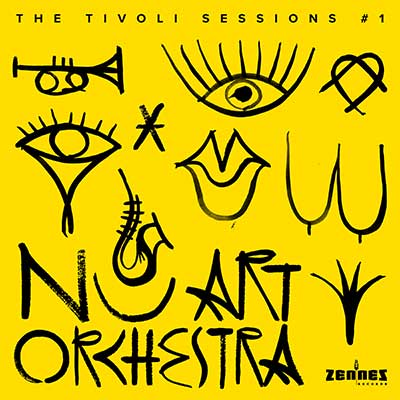 The ensemble quickly resonated with audiences and musicians alike, particularly those who recognized the significance of seeing such representation on stage. The band’s repertoire initially compiled compositions from a range of members, drawing on existing big band writing alongside new works. As the project developed, its momentum was boosted by a commission from the Tivoli, linked to the Orange Jazz Days festival, which tasked the band with creating a new program of music.
Interestingly, this commission encouraged band members to compose pieces dedicated to their “Dutch heroes,” fostering a personal connection and honoring the lineage of Dutch jazz. Marike dedicated her composition to Peter Guidi, a mentor whose Jazzmania big band had profoundly influenced her development. Other contributors also paid tribute to key figures, weaving a thread of continuity and community throughout the band’s work.
One striking aspect of the Nu Art Orchestra’s music is the remarkable consistency across compositions, despite the variety of composers involved. When asked if the cohesiveness was intentional, Marike reflects that while it might be partly accidental, it largely comes from the deliberate selection of musicians who share a particular outlook and approach. “By curating the band, you curate the music,” she explains, pointing to the fact that individual musical personalities shape the overall sound strongly—a principle deeply rooted in jazz tradition.
The band embraces diversity in musical thought, allowing for creative tension that adds depth rather than detracts. This interplay of different voices within a shared framework gives the orchestra its dynamic character and unique identity.
The ensemble’s new album, recorded live at TivoliVredenburg in July 2025 and set for release in October at the Orange Jazz Days, showcases eight fresh compositions that reflect this philosophy. From stirring homage pieces to explorations of quiet space and rhythm, it serves as a compelling statement of the Nu Art Orchestra’s evolving art.
As our interview came to a close, Marike van Dijk shared what’s still on her creative bucket list. Marike has her sights set on expanding into new musical territory with a potential commission from the Bimhuis in 2026. This project promises to be a fresh departure, featuring a choir and sextet made up entirely of musicians who also sing. “So everybody sings in the band—the drummer sings, the bassist sings,” Marike explains. It’s an exploration of vocal music within a small ensemble where every member contributes to a rich tapestry of voices.
When asked if she plans to stay in Europe or look elsewhere, Marike says she intends to put down roots here for a while. Though she still retains a visa for Australia, where she completed her PhD and has deep connections, New York is no longer on her list of options. “I think it’s good if I stay put for a while, hang out here, set some roots down, and then maybe take off again later,” she reflects.
This settled approach marks a new phase in Marike’s career—one grounded in the rich soil of the European jazz scene but open to continual growth and exploration. As she carves out her space as a composer, bandleader, educator, and advocate, her journey reflects both resilience and a restless creative drive to push jazz into new territories, bringing diverse voices into the spotlight and crafting music that speaks with authenticity and purpose.

Last modified: September 30, 2025