 Written by
 Donny McCaslin’s “Lullaby for the Lost,” released on September 26, 2025, via Edition Records, is a striking continuation of his adventurous trajectory in contemporary jazz fusion. Building on the momentum of his critically noted 2023 album “I Want More,” McCaslin fully embraces a guitar-driven, rock-influenced aesthetic on this 14th outing as a leader. The album consists of nine powerful tracks, woven through with raw energy, compositional clarity, and intricate interplay between the band members, making it a demanding yet rewarding listen for those seeking music that pushes boundaries.
 From the outset, “Wasteland” delivers a sonically saturated wall of sound. The opening saxophone solo is deftly integrated within this thick texture, almost submerged yet burning with intensity, mirroring the fiery energy McCaslin brought to Bowie’s “Blackstar.” This track sets a tone of urgency and force that is sustained throughout the album.
Following this, “Solace” reveals a more accessible side, with expansive synth pads evoking echoes of 1970s jazz-rock without tipping into cliché. The saxophone here emerges more prominently, delivering a strong and up front solo over a solid groove, framed by an intriguingly industrial sonic backdrop that adds depth and tension. “Stately” starkly contrasts with its predecessors, opening a spacious and ethereal soundscape. The piece unfolds as a serene and contemplative ballad that highlights McCaslin’s capacity for melodic nuance and emotional subtlety.
The fourth track, “Blond Crush,” leans unapologetically into rock territory. Dominated by a straight 8th-note rock groove reminiscent of the 1980s, it builds intensity with a relentless drive. While musically compelling, this track’s directness feels somewhat at odds with the broader tapestry of the album’s more textural and nuanced pieces. “Celestial,” the lead single, originated spontaneously during a soundcheck in Fano, Italy. Its layered saxophone arrangement evokes a sectional quality, complemented by Jason Lindner’s atmospheric synths and Nate Wood’s dynamic groove. The track exemplifies the synergy within the band, showcasing a developed chemistry that underpins the album.
Opening with synth motifs reminiscent of vintage 1980s video game soundtracks, “Tokyo Game Show” swiftly transitions into a kinetic exploration of rhythm and melodic interplay. The track is notable for its sustained energy and unconventional inspirations. The title track “Lullaby for the Lost” draws inspiration from Neil Young’s “Le Noise.” Ben Monder’s guitar work is evocative of Bowie’s “I Can’t Give Everything Away,” weaving a narrative of beauty and yearning embroidered with undercurrents of angst. McCaslin’s saxophone proclamation at the track’s start is assertive, setting a dramatic tone that threads emotional tension throughout.
“KID” continues to showcase the band’s inventive use of sonic effects. Built around Lefebvre’s bass line, the track balances hypnotic repetition with bursts of intensity, evoking a modernist interplay between groove and abstraction. The album closes with “Mercy,” a richly textured and spacious composition. After an initially intense section, the piece dissolves into an almost meditative passage, offering a sense of resolution without sacrificing complexity or emotional depth.
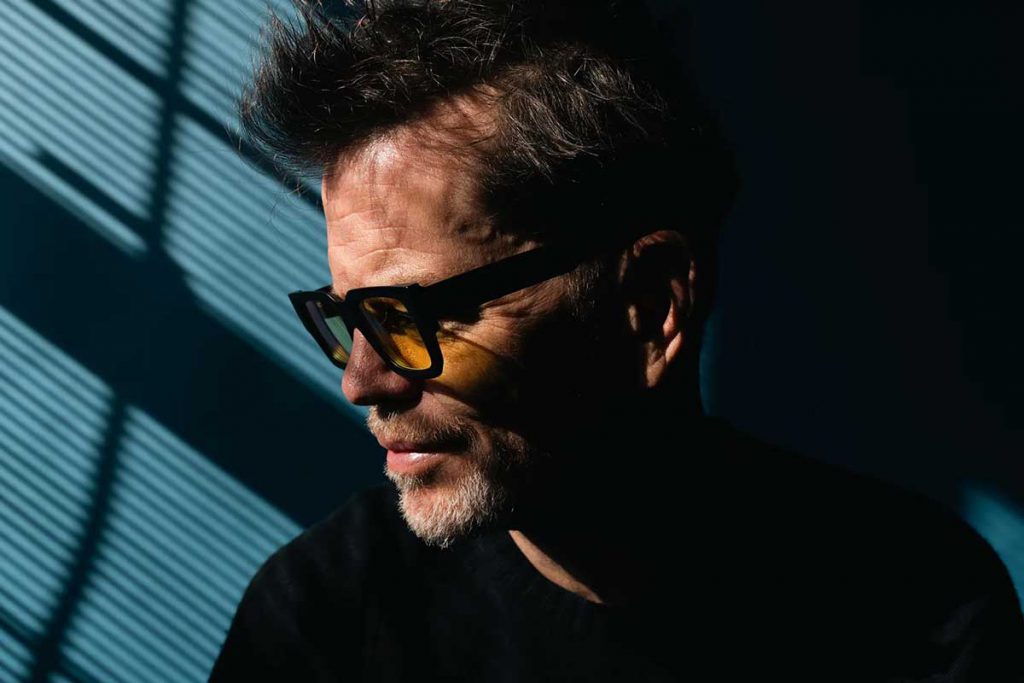
The personnel on “Lullaby for the Lost” are McCaslin’s long-time collaborators, whose shared rapport forms the backbone of the album. Jason Lindner’s synth and keyboard work add shimmering layers that balance rock’s rawness with jazz’s intricacy. Tim Lefebvre, serving also as producer, anchors the sound with electric bass and contributes additional guitar and synth textures. Jonathan Maron shares bass duties, while drumming responsibilities alternate between Zach Danziger and Nate Wood, providing rhythmic variety and drive. Guitarist Ben Monder’s distinctive style is a persistent textural presence, guiding many tracks with his blend of precision and emotional resonance. Additional guitar by Ryan Dahle appears on “Blond Crush.” The production, mixed by Dave Fridmann with assistance from Steve Wall and Aaron Nevezie, carefully orchestrates the marriage of organic performance and studio effects, employing reverb, modulation, and delay to craft shifting spaces that oscillate between raw immediacy and ethereal expanses.
The album’s thematic underpinning is multifaceted. McCaslin describes “Lullaby for the Lost” as a meditation on personal and collective trauma, but also on transformation and resilience. The notion of channeling pain into something meaningful and beautiful permeates the compositions, validated by the emotional urgency McCaslin and his ensemble communicate.
In terms of overall impression, the album is far from subdued background listening; it is decidedly “in your face,” challenging the listener with dense soundscapes, intense improvisations, and complex textures. McCaslin and Monder excel at constructing vivid sonic environments, supported by Lindner’s synth contributions that range from atmospheric to otherworldly. This trio’s interplay is a pivotal element, bolstered by a rhythm section whose precision and energy keep the album grounded while fueling its explorations.
“Lullaby for the Lost” stands as a testament to McCaslin’s artistic fearlessness and collaborative strengths. It balances the visceral intensity drawn from rock influences like Neil Young, Nine Inch Nails, and Rage Against the Machine with the exploratory sophistication of modern jazz fusion. The live band energy is palpable across the tracks, with compositional and improvisational elements tightly interwoven to keep focus amidst the apparent chaos.
The album demands attentive listening and rewards those willing to delve into its nuanced layers. It provides an expansive sonic journey from the saturated tumult of “Wasteland” to the introspective calm of “Mercy,” framed by moments of both accessibility and sonic experimentation. This is a forward-thinking record that reflects a mature artist embracing the present while expanding the possibilities of his musical language.
The closing sentiment from McCaslin himself, that this is perhaps the most meaningful and urgent record of his career, feels justified when confronted with the album’s breadth, detail, and emotional spectrum. “Lullaby for the Lost” is highly recommended for listeners seeking music that challenges, stimulates, and deeply engages.
Track Listing:
Wasteland | 2. Solace | 3. Stately | 4. Blond Crush | 5. Celestial | 6. Tokyo Game Show | 7. Lullaby for the Lost | 8. KID | 9. Mercy
Line-Up:
Donny McCaslin, Tenor Saxophone | Jason Lindner, Synthesizers, Electric Piano, Acoustic Piano | Ben Monder, Guitar | Tim Lefebvre, Electric Bass, Electric Guitar | Jonathan Maron, Electric Bass | Zach Danziger, Drums | Nate Wood, Drums | Ryan Dahle, Guitar | Mark Guiliana, Drums
Release Details:
Release Date: 26 September 2025
Format: Digital | CD
Label: Edition Records


Last modified: November 6, 2025