 Written by
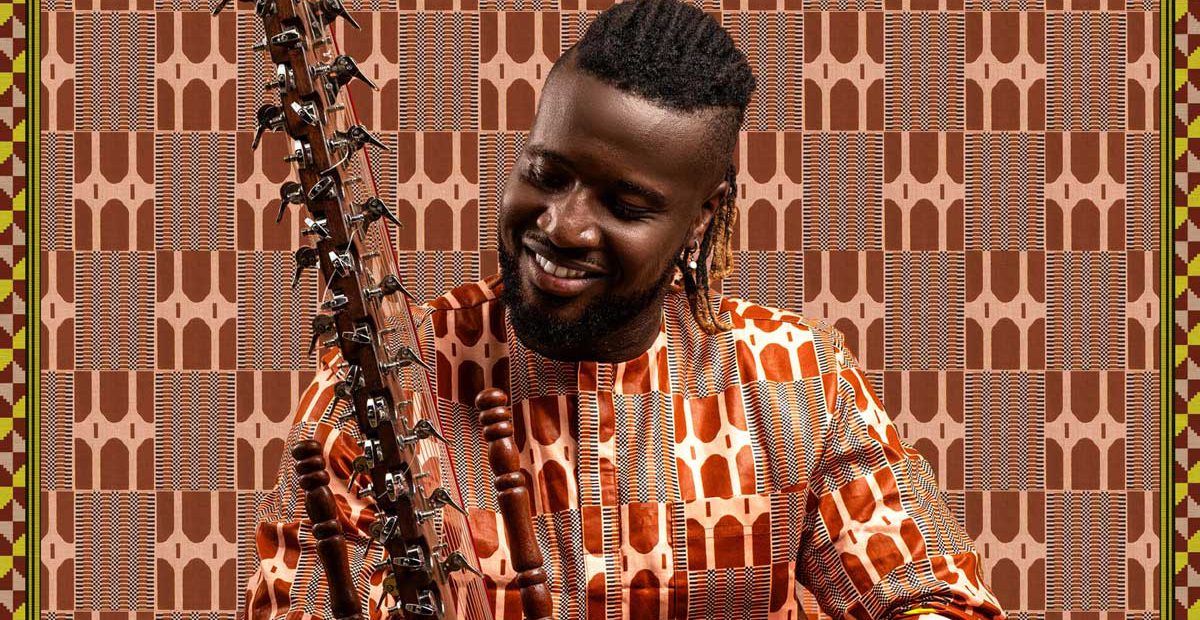
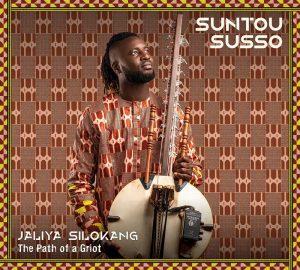
 Suntou Susso’s album, “Jaliya Silokang: The Path of a Griot,” is a thoughtful continuation of the long-standing Manding tradition, presenting a modern perspective rooted firmly in the centuries-old heritage. This release positions the kora at its centre, an instrument that despite the album’s expansive use of diverse instrumentation remains the defining voice throughout. The result is a work where traditional Afro-Manding music and contemporary elements co-exist in subtle balance rather than direct confrontation.
 From the first notes, it’s clear that efforts have been made to keep the cultural lineage alive. Susso’s kora playing adheres to the instrumental phrasing and rhythmic sensibility inherited from generations of griots while allowing for moments of expansion and dialogue with other instruments. The album’s arrangements draw on this central sound, but attention is given to the variety of textures and colours that emerge from extensive additional instrumentation that appears throughout the album.
Listening closely reveals the album’s care for detail. The interplay between instruments across the ten tracks introduces a constant shifting of focus, rewarding patient engagement with new motifs and overlays emerging on repeated plays. Personally it was this aspect that held my attention beyond a first listen, as the layered musical conversations gradually become clearer. Throughout the album the vocal performances plays a significant role. Suntou Susso’s voice, on tracks as “Jula Jekereh” and “Joulou Fola” are complemented and contrasted by guest artists such as his sister Binta Suso and Vieux Farka Tourés. The blending of lead and background vocals is one of the album’s strengths, they’re neither overpowering nor subdued but rather supporting a narrative flow.
The sonic quality deserves mention. The recording and production create an open, clear soundstage that accommodates the complex detail of both traditional string instruments and the broader palette of supporting instruments, including horns, synths, and percussion. This clarity is crucial when working with such interwoven textures, especially with acoustic instruments like the kora whose subtleties need to be preserved. The album’s rhythmic momentum is notable, there’s a clear link to Afrobeat and jazz-fusion idioms, especially with the contributions of guest artists, yet these influences are integrated without overwhelming the album’s underlying Afro-Manding framework.
Individual tracks highlight the range of the album’s approach. “Lannaya,” featuring K.O.G., brings in Afrobeat flavors combined with strings that maintain a Manding sensibility in the arrangement. This track is an example of the album’s balanced fusion, where the guest artist’s style complements rather than dominates the sound. The lead single, “Yirolu Bala (Within the Trees),” uses strings effectively to create an evocative atmosphere. The vocals here emphasize clarity and lyrical focus, supporting a message rooted in cultural tradition and environmental reflection.
“Joulou Fola” stands out for the interplay of guitar and kora, featuring Vieux Farka Touré. The mix highlights the contrasting timbres between the two string instruments, with Susso’s kora articulation meeting Touré’s distinctive guitar lines. The difference between the two vocalists further provides texture to the track. “Badinya” draws on jazz fusion and afrobeat influences, presenting a complex rhythmic structure that reflects contemporary cross-genre experimentation while maintaining a connection to traditional rhythmic roots.
Closing the album, “Tamala” offers a moment of quiet. This solo-kora piece strips back the layers, presenting a contemplative end point. Its simplicity provides contrast to the fuller arrangements of earlier tracks and serves as a nod back to the origins of the griot tradition. Tracks like “Barro” engage with diaspora themes, using synth pads and tenor saxophone contributions to add depth to the sonic landscape. The horn solo provides a further jazz dimension, broadening the album’s stylistic scope without breaking from its core identity.
“Jula Jekereh,” featuring Binta Suso, is a display of restraint and subtlety in arrangement, allowing the vocal lines to breathe, this track exemplifies how the album balances complexity with moments of openness. “Jangfa” again features K.O.G., focusing on groove and rhythmic immediacy, while “Jangfajang Kano” explores themes of endurance and emotional strength with an afro-fusion sensibility.
 One of the key achievements of “Jaliya Silokang” is its ability to incorporate fusion elements from Afrobeat, jazz, funk, and soul without disrupting the integrity of Afro-Manding tradition. This balance is achieved through careful arrangements that respect form and function, ensuring that each genre’s influence is both additive and complementary. The album avoids the pitfalls of superficial genre-blending, instead presenting a nuanced set of musical dialogues that explore shared rhythmic and melodic languages.
Thematically, the album continues the griot’s role as a cultural custodian and social commentator. Many lyrics explore identity, migration, heritage, and environmental concern, connecting historical narratives with contemporary realities. This approach adds a layer of meaning beyond the musicality alone and situates the album within broader conversations relevant to audiences today.
In all, “Jaliya Silokang: The Path of a Griot” provides an engaging and layered listening experience. Its strength lies in the combination of tradition-informed performance with contemporary musicality, the consistent central presence of the kora, an expansive yet coherent instrumental and vocal palette, and production quality that allows these elements room to breathe. The inclusion of guest artists such as Vieux Farka Touré and K.O.G. supports this vision without overshadowing the album’s cultural grounding.
This album warrants attention from listeners interested in music that explores and extends African musical forms in a modern context, particularly those who value subtle fusion that honors tradition while engaging global sounds.
In this respect, Suntou Susso’s work offers a reflective and forward-thinking perspective on the path of the griot—one that respects history while acknowledging the complexity and dynamism of today’s musical landscape. Highly recommended.
Line-Up:
Suntou Susso – Kora, vocals, djembe, percussion | Vieux Farka Touré – Guitar, vocals | K.O.G. – Vocals | Binta Suso – Vocals | Aziza Jaye – Backing vocals | Mariama Kouyate – Backing vocals | Oli Mason – Drum kit | Sheikh Juke – Drum kit | Alasana Faal – Bass | Sam Fox – Bass | Tommy Kirby – Bass | Arthur MacGregor Young – Bass | Andy Christie – Guitar | Ansumana Suso – Guitar | Joon Ho Wantete – Keys, piano, synth | Alhagie Leigh – Keys | Tomoya Forster – Saxophone | Anna Harris – Shekere | Mustapha Ceesay – Percussion | Ross Grant – Fiddle, viola | Róisín Howitt – Fiddle | Rowan Collinson – Viola | Awen Blandford – Cello | Phoebe Harty – Cello
Track Listing:
Jaliya (Being A Griot) – 4:19 | 2. Badinya (Family) – 5:28 | 3. Barro (Hard Worker) – 4:06 | 4. Jangfajang Kano (Long Distance Love) – 5:51 | 5. Joulou Fola (String Player) ft. Vieux Farka Touré – 4:38 | 6. Yirolu Bala (Within The Trees) – 5:16 | 7. Lannaya (Trust) ft. K.O.G. – 3:13 | 8. Jangfa (Betrayal) – 4:12 | 9. Jula Jekereh (Trader Jekereh) ft. Binta Suso – 5:18 | 10. Tamala (Traveller) – 4:14
Release Details:
Release Date: 7 November 2025
Format: Digital | CD | Vinyl
Label: Independent


Last modified: October 15, 2025