
 Written by
 Welcome to another instalment of “The Vinyl Corner.” This month, we’re exploring the fascinating process of cutting masters for vinyl LPs—a crucial step in creating the records we love. While I won’t delve too deeply into technical details or mastering engineer jargon, this article is perfect for readers curious about how music is actually etched into vinyl grooves.
The journey from a finished studio recording to a vinyl LP involves several technical steps, and cutting the master is one of the most important. Before any music is physically cut into a disc, the audio must be mastered specifically for vinyl. This is different from mastering for digital formats. Vinyl has its own set of physical limitations: too much bass can cause the needle to skip, while too much treble can lead to distortion. To address this, mastering engineers adjust the sound. They often reduce sub-bass frequencies and make sure that the lowest notes are centred in the stereo image. High frequencies are also carefully managed, especially because the inner grooves of a record can’t handle as much dynamic range as the outer ones. This why you will often hear softer ballads placed as the inner tracks.
 Dynamics are another area that gets special attention. Jazz is known for its dynamic range, but vinyl can’t always handle extreme changes in volume. Mastering engineers with decades of experience, such as Sean Magee of Abbey Road Studios, emphasize that mastering for vinyl is a fundamentally different process than preparing music for digital formats. Magee points out that every project—whether it’s a jazz trio or a big band—requires careful adjustment to suit the unique demands of vinyl. For example, he notes that bass frequencies must often be centered and controlled to prevent the stylus from skipping, while high frequencies are managed to avoid distortion, especially as the needle moves toward the inner grooves of the record. These decisions are made in real time during the cutting session, and the engineer’s expertise is crucial to ensuring the final product sounds as good as possible on a turntable.
Noel Summerville, another veteran of the craft, highlights the practical challenges that come with mastering for vinyl. He explains that sibilant sounds, like the “S” in vocals or the shimmer of cymbals, can easily become harsh or distorted if not properly managed. To address this, mastering engineers use tools like de-essers and carefully monitor playback of test cuts to catch any issues before the record goes to press. Summerville’s approach underlines the hands-on nature of the process: every lacquer is checked and, if necessary, adjusted before moving on to the next stage. These insights from the mastering room show just how much attention to detail and technical know-how goes into every record, helping ensure that the music’s character and dynamics are preserved from the studio to your turntable.
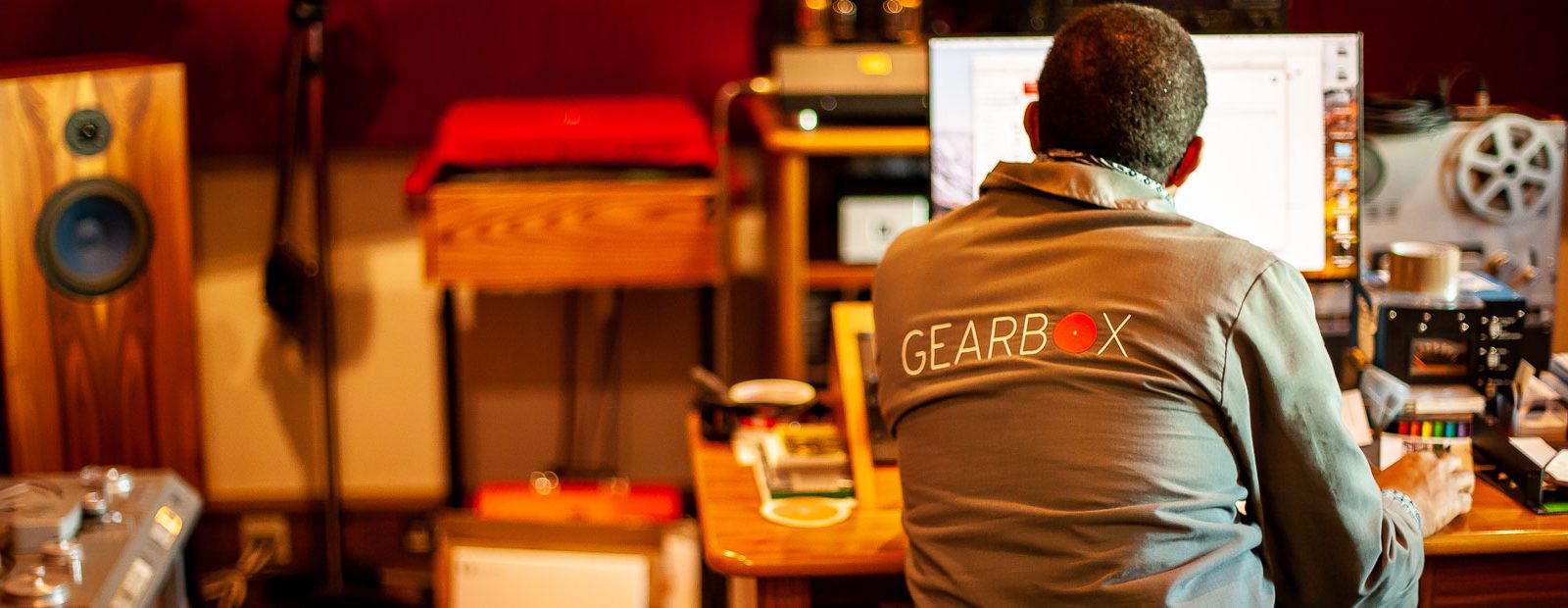
A great example of a label embracing these principles is London’s Gearbox Records. Founded in 2009, Gearbox started as a small operation focused on unearthing and releasing previously unheard jazz recordings, often in limited vinyl runs. Over the years, Gearbox has grown into a respected mastering house and label, known for its commitment to high-quality analogue production and a hands-on approach to cutting records. Founder Darrel Sheinman notes that while digital formats have become a useful tool for reaching new listeners, vinyl remains at the heart of their operation. Gearbox has adapted to changes in the market, moving away from collector-focused gimmicks and embracing a broader audience, including younger fans drawn to the new jazz scene. They’ve also responded to the practical realities of vinyl production—sometimes pressing at lighter weights to keep records affordable for double albums, for example—while maintaining a focus on sound quality and craftsmanship. For Gearbox, the process of mastering and cutting vinyl is not just about nostalgia, but about delivering the best possible listening experience, one record at a time.
 Once the mastering is complete, the next step is cutting the master lacquer. This happens in a specialized studio using a machine called a cutting lathe. The lathe engraves the music into a lacquer-coated aluminum disc in real time. The cutting engineer monitors the process closely, making small adjustments to the groove width and depth to match the music’s demands. The goal is to capture as much detail as possible without pushing the limits of the vinyl format.
After the lacquer is cut, it’s sent to a facility where it’s coated with metal through a process called electroplating. This creates a negative image of the grooves, called a stamper, which is used to press the actual vinyl records. Each stamper can produce a limited number of records before it wears out, so multiple stampers are often made for larger press runs.
For jazz fans and collectors, understanding this process explains why different pressings of the same album can sound different. Every stage—from mastering to cutting to pressing—can affect the final sound. It’s also why original pressings and high-quality reissues are often in demand.
So, the next time you listen to a favorite jazz LP, remember that a lot of skill and technical know-how went into making it. The process of cutting masters is a key part of what makes vinyl records unique, and it’s something that continues to matter to musicians, engineers, and listeners alike.

 Jan Fritz:
Jan Fritz is a self confessed “Vinyl Junkie” and journalist. He is the founder of Jazzmedia & More and contributes to a number of music magazines. From 1992 to 1996, Jan was a music editor at KISS-FM in Berlin where he produced and hosted the weekly broadcast “Jazzbeats“. In addition, he has worked as a freelance radio producer for numerous radio stations in Berlin and internationally.
Last modified: June 27, 2025