 Written by
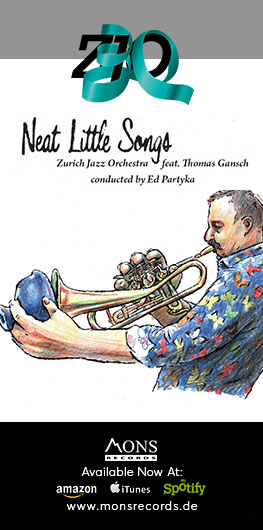
 Marking its 30th anniversary, the Zurich Jazz Orchestra’s (ZJO) latest studio album, *Neat Little Songs*, signals a clear and deliberate shift in direction for the ensemble. It is the first project helmed by the new musical director and arranger, Ed Partyka, and stands as a substantial departure from the band’s catalog under the stewardship of Steffen Schorn. Listeners familiar with the ZJO’s previous output will immediately notice a recalibrated approach to sonic architecture, ensemble layering, and the shaping of narrative arc within each arrangement.
 Historically, the ZJO’s sound, particularly since the early 2000s, has been defined by dense, sometimes avant-garde orchestrations with a focus on blending improvisation into a larger compositional framework—developed under Schorn’s guiding hand. With *Neat Little Songs*, Partyka brings an unmistakable fingerprint: a robust clarity in tutti passages, deeper interaction between brass and reeds, and a heightened sense of playfulness without sacrificing depth. The band sounds revitalized and—while obvious not just by liner notes but through every bar of music—fully invested in the creative partnership with featured guest composer/trumpeter Thomas Gansch.
Partyka’s reputation as a master of structural balance is well-earned, but this album confounds expectations. The sequencing, the transitions, and the level of textural layering are of a different order entirely. Each piece unfolds with its own character, and, throughout, the album resists complacency, preferring instead to surprise, pivot, and subvert anticipated trajectories. There is a sense that nothing is left to habit, yet the album’s voice is unmistakably that of a working band.
Usually my review style tends to pick out specific tracks of note, however this album is packed full of suprises. With this in mind I have decided to speak about each tack in detail.
The opening track, “Hot Feet,” introduces itself through the lens of a late-1960s Boogaloo, but the apparent simplicity is undercut by unexpected harmonic turns. Partyka’s writing excels here, as the saxophones engage in a lively chase, propelling the groove while inserting subtle dissonances—moments that neither linger nor resolve too quickly. The rhythm section sits deep in the pocket, yet never static, evidencing the collective’s cohesion.
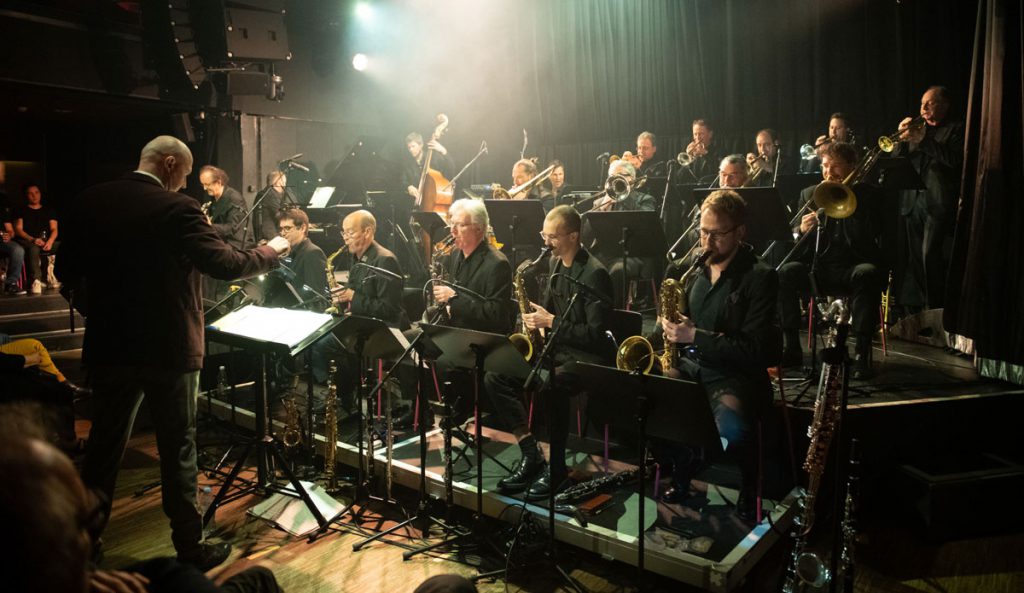
Following is “Lou,” perhaps the set’s clearest thematic departure: what at first seems a gentle waltz, with an almost naive quality, soon acquires complexity through its layered build and shifting harmonies. Partyka and Gansch deconstruct the familiar, adding enough warmth and asymmetry to keep the listener off guard. Even at its most understated, the piece refuses to settle purely into comfort, a motif that recurs throughout the record.
“Ophelia” is a study in arranging sophistication. The tango undercurrent features deep, rich voicings—an overt nod to classic jazz storytelling, but with a thoroughly modern toolkit. There are echoes of Leonard Bernstein and Astor Piazzolla here, yet the result feels neither referential nor derivative. Instead, it stands as a contemporary iteration of the jazz orchestra’s lineage, filled out by the ZJO’s precise articulation and attention to nuance.
“Resal” offers a stunning showcase for Gansch. Notably, the absence of the rhythm section focuses the ear on how the horn arrangements drive the narrative. The voicings never become static; brass and reeds interlace, propelling the piece forward so that interest is held by shifting timbre and color rather than groove. This is a rare feat and speaks to Partyka’s command of orchestral resources.
The album’s centerpiece, “Neat Little Song,” provides a clever homage to classic big band stylings of the late 1930s, channeling swing sensibilities before veering, unexpectedly, into a clarinet feature that genuinely “swings like hell.” The solo section becomes a lesson in how to extrapolate modern jazz vocabulary over vintage changes, updating tradition without undermining it. This is both a highlight and a touchstone for the entire album’s ethos.
“Where is Ahmad” finds the orchestra working with a slow medium swing, rich in harmonic layering. Gansch is again given room to tell a story, and the band supplies a shimmering harmonic foundation that brooks no clichés. This feels as much a meditation as a feature, assembled with restraint and care.
“New Orleans” might be described as a statement piece. Rather than a pastiche, Partyka frames the second-line feel with reverence and seriousness, The bands rhythm section plays with weight and clarity, while Gansch’s playing sets a high-water mark for the session. The result is genuinely compelling: the arrangement honors the traditions of New Orleans jazz, particularly the city’s embrace of groove and melodic invention, but refuses to settle for mere tribute.
On “Steirer 3er,” the band explores a more European inflection, beginning with rich harmonics before launching into a swing episode. The soprano saxophone solo is a particular standout, delivering an energetic, even slightly raw, counterpoint to the section figures. Gansch’s subsequent solo maintains this tension: polished but unvarnished, balancing technical control with a willingness to push edges.
The album closes with “Yam Seiner,” which delivers on its promise as a “bizarre twist” and nod to Austrian folk roots. This track is filled with playful invention, offering listeners a snapshot of the underlying humor and irreverence that runs through the program as a whole.
Throughout “Neat Little Songs”, the sound of the band is, simply put, exceptional. Every section, from rhythm to brass to woodwinds, is captured with clarity, depth, and a sense of physical space. The solo passages—especially those from Gansch but not exclusively—never feel segmented from the ensemble; instead, they emerge organically, a reflection of the ZJO’s deep internal communication.
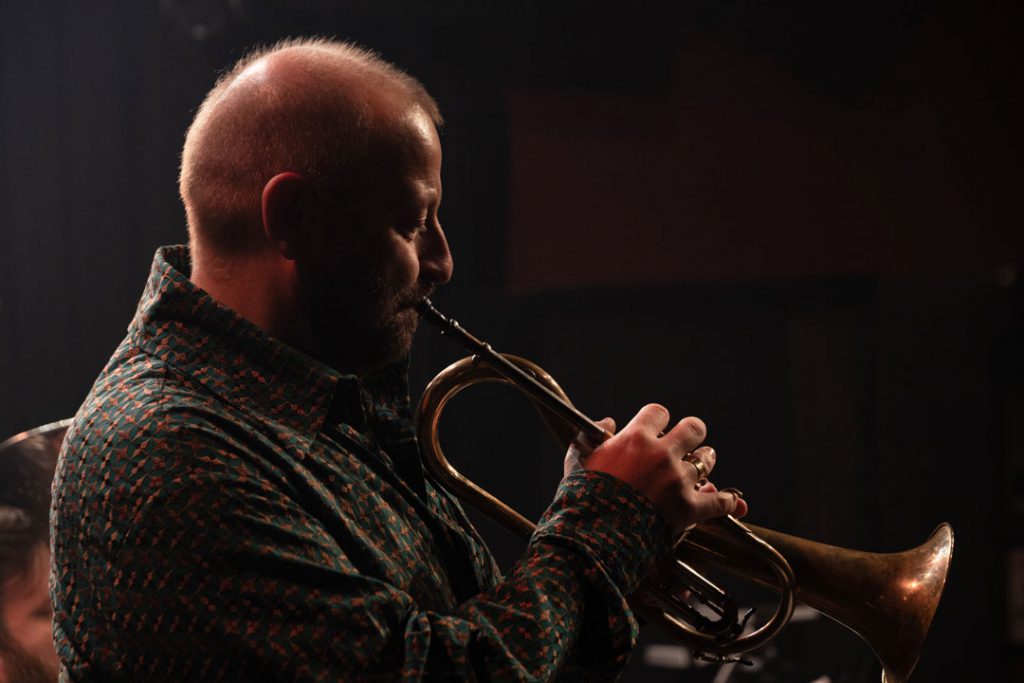
It’s not just the featured soloists who make an impression—there are standout moments in every chair. Surprise, invention, and structural nuance abound; the band’s willingness to embrace unpredictability is the thread that knits the album together. Just when it appears the trajectory is set, there’s always another twist: a harmonic feint, an unexpected break, an arrangement that refuses to settle.
“Neat Little Songs” is a must-have for any serious big band listener. The album’s sound quality is outstanding and the playing exceptional. It marks a major evolution for the ZJO at a significant milestone, moving beyond the parameters established during the Schorn years into a territory that feels both personal and collaborative. It is difficult to avoid the sense that this recording firmly positions the Zurich Jazz Orchestra at the forefront of the European big band scene.
As the title playfully suggests, there is an understated virtuosity and depth at work—these really are some neat little songs, but there’s nothing “little” about the ideas, the risk-taking, or the ensemble’s execution. For those who appreciate jazz orchestras that balance respect for tradition with a hunger for reinvention, *Neat Little Songs* stands as the ZJO’s most compelling document to date, and comes highly recommended.
Line-Up:
Arrangements, Musical Director: Ed Partyka
Trumpets: Thomas Gansch (guest/featured soloist) | Daniel Schenker | Bernhard Bamert | Mauro Reimann | Florian Menzel
Trombones: René Mosele | Bernhard Schoch | Antoine Colin | Wolfgang Häuptli
Saxophones/Woodwinds: Daniel Affentranger | Reto Anneler | Cyrill Schaub | Patrick Sommer | Toni Bechtold | Bob Bieri
Rhythm Section: Piano: Andreas Tschopp, Piano | Bernhard Bamert, Guitar | Patrick Sommer, Bass | Pius Baschnagel, Drums
Track Listing:
1. Hot Feet | 2. Lou | 3. Ophelia | 4. Resal | 5. Neat Little Song | 6. Where is Ahmad | 7. New Orleans | 8. Steirer 3er | 9. Yam Seiner
Release Date: May 23, 2025
Format: CD | Streaming
Label: Mons Records


Last modified: October 2, 2025